Is a Career in Anesthesia Stressful? What the Data Says
Key Takeaways
- Anesthesia burnout rates range from roughly 12% to 72% depending on practice setting and survey methodology — but the profession also reports high career satisfaction and strong “would choose again” rates
- CRNAs, Anesthesiologists, and CAAs each face unique stressors, from call schedules and production pressure to autonomy concerns and documentation burden
- 91% of Anesthesiologists say they would choose the specialty again (SalaryDr, 2026), and CRNA job growth of 38% (BLS, 2022–2032) signals a profession people want to enter
- Compensation — CRNAs averaging $260,000, Anesthesiologists earning median total comp of $535,000, and CAAs earning $247,000–$253,000 — helps offset occupational stress
- Evidence-based strategies like schedule flexibility, peer support, and practice-setting changes can dramatically reduce burnout risk
If you’ve been researching anesthesia careers, you’ve probably asked yourself: is anesthesia stressful? It’s one of the most common questions prospective CRNAs, Anesthesiologists, and Certified Anesthesiologist Assistants (CAAs) ask before committing to years of advanced training. The honest answer is nuanced — anesthesia involves high-stakes clinical decisions, long hours, and emotional intensity, but it also delivers some of the highest compensation, strongest job security, and deepest professional fulfillment in all of healthcare.
This guide takes a data-driven approach to understanding stress and burnout across all three anesthesia provider roles. Rather than relying on anecdotes, we’ll examine peer-reviewed studies, national surveys, and workforce data from 2024–2026 to give you the full picture. The goal isn’t to sugarcoat the challenges or scare you away — it’s to arm you with real numbers so you can make the best career decision for your life.
What the data consistently shows is that anesthesia is a demanding profession with manageable stress when you choose the right practice setting, advocate for healthy boundaries, and leverage the flexibility that high-demand careers provide. Let’s dig into the specifics.
📊 Salary Data Sources & Freshness This guide cites data from multiple sources: the U.S. Bureau of Labor Statistics (BLS, May 2024 — latest government data), ZipRecruiter (2026 advertised salaries), Glassdoor, AMN Healthcare, SalaryDr, and other industry reports. Government salary surveys have a 12–18 month reporting lag. Current advertised salaries on job boards typically reflect real-time market conditions and may be higher. Anesthesia provider compensation has risen steadily over the past five years.
What Makes Anesthesia Stressful? The Core Demands
Before examining burnout statistics, it helps to understand why anesthesia is considered a high-intensity specialty. The stressors are real — but they’re also shared by many other high-performing professions, from aviation to emergency medicine.
High-Stakes Decision-Making
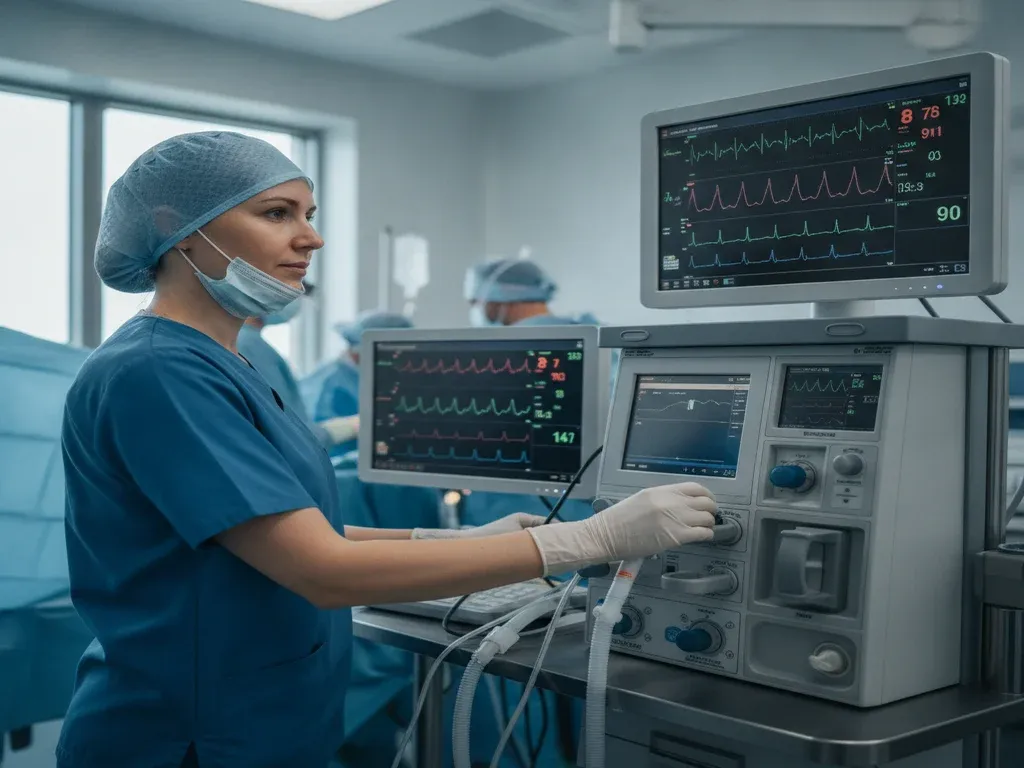
Anesthesia providers are responsible for keeping patients alive during surgery. Every case requires managing airway control, hemodynamic stability, pain management, and drug interactions — often simultaneously. The stakes are inherently high: a missed change in heart rate or oxygen saturation can lead to a critical event. This constant vigilance is both what makes the specialty rewarding and what creates baseline stress.
Production Pressure and Pace
Modern operating rooms run on tight schedules. Turnover time between cases is tracked to the minute, and add-on surgeries frequently extend what was supposed to be an eight-hour day. For all three roles — CRNAs, Anesthesiologists, and CAAs — the pressure to maintain throughput can conflict with the careful, methodical approach that safe anesthesia requires.
Call Schedules and Unpredictability
Many anesthesia positions include on-call responsibilities for nights, weekends, and holidays. Emergency surgeries, trauma cases, and obstetric emergencies don’t follow a schedule. The unpredictability of call — combined with the post-call fatigue that follows — is one of the most consistently cited stressors across all three roles.
Documentation and Administrative Burden
Like all healthcare providers, anesthesia professionals face growing documentation requirements. Electronic health records, billing compliance, quality metrics, and regulatory paperwork consume time that many providers feel could be spent on patient care or recovery between cases.

Is Anesthesia Stressful for CRNAs? What the Data Shows
CRNAs are the largest group of anesthesia providers in the United States, with 47,810 employed nationally (BLS, 2024). Their burnout data has become increasingly well-documented.
CRNA Burnout Statistics
A 2025 integrative review published in the AANA Journal found that burnout prevalence among CRNAs ranges from 12.5% to as high as 72%, depending on the practice setting, survey instrument used, and the population studied (AANA, 2025). The wide range reflects meaningful differences between settings:
| CRNA Burnout Data Point | Finding | Source |
|---|---|---|
| Overall burnout prevalence | 12.5%–72% | AANA Journal integrative review, 2025 |
| COVID-era burnout (clinical criteria) | 39% | AANA Journal, 2022 |
| High disengagement (COVID era) | 40% additional | AANA Journal, 2022 |
| Academic medical center burnout | 72% | AANA Journal, 2023 |
| Moderate-to-high stress levels | 60%+ | AANA Journal, December 2024 |
The highest burnout figures (72%) come from CRNAs working in level-one trauma centers and academic medical centers — settings with the most complex cases, longest hours, and least scheduling flexibility. CRNAs in outpatient surgery centers, independent practice settings, and locum tenens roles consistently report lower burnout.
Key CRNA Stress Factors
The research identifies several core contributors to CRNA burnout:
- Lack of autonomy: The most frequently cited factor. CRNAs who practice under restrictive supervision models report significantly higher burnout than those with full practice authority (AANA, 2025).
- Poor leadership support: Facilities without clear communication between frontline CRNAs and administrative leadership see higher disengagement.
- Moral distress: Feeling unable to provide the standard of care you’ve been trained for — whether due to staffing shortages, policy restrictions, or resource constraints.
- Extended shifts without adequate recovery: Overnight call followed by a full next-day schedule remains a persistent issue at many facilities.
- Strained interprofessional relationships: Practice environments with unresolved scope-of-practice tensions create chronic stress for the entire anesthesia care team.
The Positive Side for CRNAs
Despite these challenges, CRNAs enjoy remarkable career advantages that mitigate stress:
- Explosive job growth: 38% projected growth from 2022–2032 (BLS) means CRNAs have exceptional leverage to choose favorable practice settings.
- High compensation: CRNAs earn a median of $223,210 (BLS, May 2024), with advertised positions averaging $260,000 (ZipRecruiter, 2026) and top earners reaching $394,500 at the 90th percentile. Financial security is a meaningful buffer against occupational stress.
- Practice flexibility: CRNAs can pivot between hospital-based, outpatient, locum tenens ($200–$325+/hr), and independent practice roles. If one setting isn’t working, there’s strong demand elsewhere.
- Expanding autonomy: As more states adopt independent practice authority, CRNAs gain the professional self-determination that research links to lower burnout.
Is Anesthesia Stressful for Anesthesiologists? The Physician Perspective
Anesthesiologists (~45,300 employed nationally) have been the subject of extensive burnout research, particularly through the Medscape Physician Burnout Reports and the American Medical Association (AMA).
Anesthesiologist Burnout Statistics
| Anesthesiologist Burnout Data Point | Finding | Source |
|---|---|---|
| Physician burnout rate (all specialties) | 41.9% | AMA, 2025 |
| Physician self-reported burnout | 47% | Medscape, 2025 |
| Anesthesiologist high burnout risk | 59.2% | PMC/peer-reviewed survey |
| Career satisfaction | 3.5/5 | SalaryDr, 2026 |
| Would choose anesthesiology again | 91% | SalaryDr, 2026 |
| Average work hours per week | 50 | SalaryDr, 2026 |
The AMA’s longitudinal data shows encouraging progress: physician burnout fell from 48.2% in 2023 to 43.2% in 2024 to 41.9% in 2025 — a meaningful three-year decline suggesting that systemic wellness initiatives are beginning to work. However, rates remain substantial, and anesthesiology-specific studies have found that up to 59.2% of Anesthesiologists meet criteria for high burnout risk in some surveys.
Key Anesthesiologist Stress Factors
- Production pressure: As one Anesthesiologist shared on SalaryDr, “There is a lot of production pressure in an academic setting.” Being measured by case volume creates tension with the thoroughness that patient safety demands.
- Call intensity: Cardiac call, trauma call, and OB call can mean unpredictable nights. The physical toll of overnight work compounds over a career.
- Administrative and leadership demands: Anesthesiologists in leadership roles (department chairs, medical directors) often carry both clinical and administrative burdens.
- Staffing constraints: When anesthesia care teams are understaffed, Anesthesiologists may supervise more cases simultaneously, increasing cognitive load.
- Long training pathway: The 12+ years of training to become an attending Anesthesiologist — including medical school and residency — create stress that precedes the career itself.
The Positive Side for Anesthesiologists
- Outstanding compensation: Anesthesiologists earn BLS mean base salary of $336,640 (BLS, 2024) and median total compensation of $535,000 (SalaryDr, 2026), with starting salaries around $377,000+ (AMN Healthcare, 2025). This financial strength provides options — including the option to work fewer hours.
- Extremely high “choose again” rate: 91% of Anesthesiologists say they would choose the specialty again (SalaryDr, 2026), one of the highest rates across all physician specialties. This is remarkable for a field labeled “stressful.”
- Flexible practice models: Locum tenens ($300–$450/hr, grossing $600,000–$900,000+ annually), part-time arrangements, and outpatient-only positions allow Anesthesiologists to design schedules that work for their lives.
- Defined off-time: Unlike many physician specialties, Anesthesiologists generally leave clinical work at the hospital. As one physician put it: “I enjoy being able to have my time at home and not have to take any load home with me” (SalaryDr, 2026).
Is Anesthesia Stressful for CAAs? An Emerging Perspective
CAAs are the newest members of the anesthesia care team, practicing in approximately 20 states under the direction of Anesthesiologists. While CAA-specific burnout data is more limited than for CRNAs and Anesthesiologists, we can draw meaningful insights from the broader anesthesia literature and the unique characteristics of the CAA role.
CAA Stress Profile
CAAs work within the anesthesia care team model, which creates a distinct stress profile:
- Scope clarity: CAAs practice under physician direction by definition, which can reduce the autonomy-related stress that CRNAs in restrictive settings report. However, the flip side is that CAAs who want more independence may feel professionally constrained.
- Growing demand: The CAA profession is expanding rapidly, and high demand means CAAs generally have strong negotiating power for favorable schedules.
- Compensation strength: CAAs earn a national average of $247,000–$253,000 (Becker’s/Marit Health, 2026), with top earners reaching up to $350,000 (BagMask, Q1 2026). New graduates start at $200,000–$250,000. Like CRNAs and Anesthesiologists, this financial security is a meaningful stress buffer.
- Limited geographic flexibility: With practice authority in approximately 20 states, CAAs have fewer options for geographic relocation compared to CRNAs, which could be a stressor for some.
CAA Wellness Advantages
- Team-based practice: Working consistently within an Anesthesiologist-led team provides built-in clinical support and shared decision-making.
- Shorter training: The CAA master’s pathway (approximately 28 months of graduate training) results in less training-related debt and an earlier career start compared to either CRNAs or Anesthesiologists.
- Market hourly rates: CAAs earn $200–$275/hr in the current market, with locum opportunities at similar rates, providing the financial foundation to prioritize work-life balance.
Burnout by Practice Setting: Where You Work Matters Most
One of the most consistent findings across all anesthesia burnout research is that practice setting is a stronger predictor of stress than role title. Where you work matters more than which credential you hold.
| Practice Setting | Stress Level | Why |
|---|---|---|
| Level I trauma center | Higher | Unpredictable emergencies, high-acuity cases, demanding call schedules |
| Large academic medical center | Higher | Production pressure, teaching responsibilities, complex patients |
| Community hospital | Moderate | Balanced caseload, but often limited staffing flexibility |
| Ambulatory surgery center (ASC) | Lower | Predictable schedules, healthier patients, minimal call |
| Office-based anesthesia | Lower | Set hours, controlled environment, elective cases |
| Locum tenens | Variable | High pay offsets stress, but travel and adaptation to new environments add their own challenges |
| Independent CRNA practice | Lower | Full autonomy, self-directed scheduling, strong financial control |
The data is clear: CRNAs in outpatient care centers earn $263,960 on average (BLS, May 2024) — more than hospital-based CRNAs ($234,250) — while also reporting better work-life balance. The trend toward outpatient and ambulatory settings benefits all three anesthesia roles.
How Anesthesia Stress Compares to Other Healthcare Careers
It’s important to contextualize anesthesia stress within the broader healthcare landscape. Is anesthesia stressful compared to other demanding specialties?
| Specialty | Burnout Rate | Avg Hours/Week | Would Choose Again | Avg Compensation |
|---|---|---|---|---|
| Anesthesiology | ~40–47% | 50 | 91% | $535,000 total comp (SalaryDr, 2026) |
| Emergency Medicine | ~55–65% | 46 | ~70% | ~$350,000 |
| Critical Care/ICU | ~50–60% | 55+ | ~75% | ~$375,000 |
| General Surgery | ~45–55% | 55+ | ~80% | ~$450,000 |
| Family Medicine | ~40–50% | 47 | ~65% | ~$265,000 |
| Dermatology | ~30% | 42 | 91% | ~$642,000 |
(Sources: Medscape 2025, SalaryDr 2026, AMA 2025)
Anesthesia burnout rates fall in the middle of the physician spectrum — notably lower than emergency medicine and critical care, comparable to surgical specialties. But anesthesia stands out with its exceptionally high “would choose again” rate (91%) and strong defined off-time. Unlike primary care physicians who take patient calls and charts home, or surgeons with extended post-operative responsibilities, anesthesia providers typically have clean boundaries between work and personal time once they leave the facility.
Evidence-Based Strategies to Manage Anesthesia Stress
The research isn’t just about measuring the problem — it also points to what works. Here are proven approaches that help CRNAs, Anesthesiologists, and CAAs manage occupational stress effectively.
1. Choose Your Practice Setting Intentionally
This is the single highest-impact decision. If burnout risk matters to you, seek out: - Ambulatory surgery centers or outpatient-focused practices - Facilities with fair call rotation and post-call days off - Employers that respect scheduling boundaries - Positions with adequate staffing ratios
2. Leverage Your Market Value
Anesthesia providers are in extraordinary demand. CRNA job growth of 38% (BLS, 2022–2032) and widespread Anesthesiologist and CAA shortages mean you have negotiating power. Use it to secure: - Reasonable work hours and call expectations - Adequate support staff and appropriate caseloads - Sign-on bonuses that fund wellness investments (gym memberships, therapy, financial planning)
3. Build Peer Support Networks
The AANA, ASA (American Society of Anesthesiologists), and AAAA (American Academy of Anesthesiologist Assistants) all offer wellness resources and peer support programs. The AANA’s Wellness Ambassador Network provides mentoring and community for CRNAs experiencing burnout symptoms. Connecting with colleagues who understand the unique pressures of the OR is protective.
4. Consider Locum Tenens or Part-Time Work
If traditional full-time employment creates unsustainable stress, alternative arrangements offer powerful relief: - CRNA locum tenens: $200–$325+/hr, $400,000–$550,000+ annually, with full schedule control. Learn more in our locum tenens CRNA guide. - Anesthesiologist locum tenens: $300–$450/hr, $600,000–$900,000+ annually. - CAA locum/per diem: $200–$275/hr with flexibility to choose assignments.
Many anesthesia providers find that working fewer but better-compensated shifts dramatically improves their well-being while maintaining or even increasing their income.
5. Protect Recovery Time
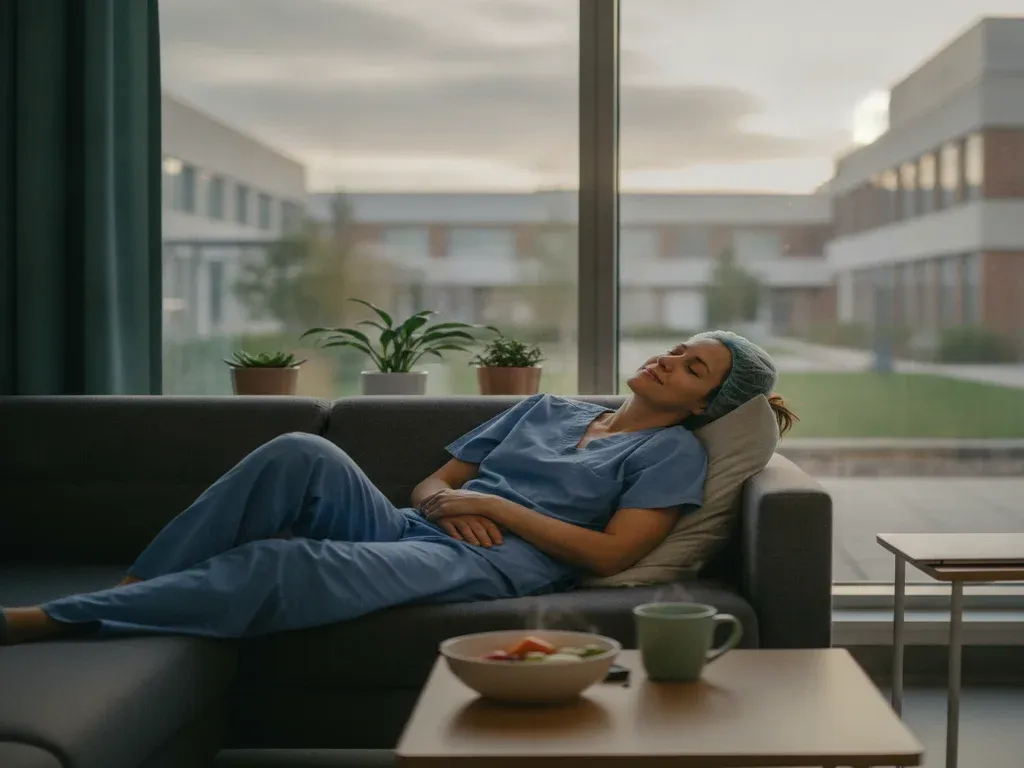
The ASA’s Statement on Burnout emphasizes that work-related strain increases cardiovascular risk by 16% (based on a prospective study of 90,000+ people). Adequate sleep, post-call recovery, and time away from clinical work are not luxuries — they’re medical necessities.
6. Seek Professional Support Early
The AANA Journal (December 2024) found that over 60% of CRNAs report moderate-to-high stress levels. Waiting until stress becomes clinical burnout makes recovery harder. Evidence supports early intervention through counseling, employee assistance programs, and — when needed — confidential helplines like the AANA’s 24/7 resource at 800-654-5167.
The Bottom Line: Is Anesthesia Stressful — and Is It Worth It?
Yes, anesthesia is a demanding career. The data confirms that burnout is a real and measurable phenomenon across CRNAs, Anesthesiologists, and CAAs. But the data also confirms something equally important: anesthesia providers overwhelmingly find their careers worthwhile.
The 91% “would choose again” rate among Anesthesiologists speaks volumes. The explosive 38% job growth for CRNAs indicates a profession people are drawn to, not fleeing from. And the compensation across all three roles — CRNAs averaging $260,000 (ZipRecruiter, 2026), Anesthesiologists earning median total comp of $535,000 (SalaryDr, 2026), and CAAs earning $247,000–$253,000 (Becker’s/Marit Health, 2026) — provides the financial freedom to design a sustainable career.
The key insight from the research is that stress in anesthesia is highly modifiable. The same credential can lead to dramatically different experiences depending on practice setting, employer culture, call expectations, and personal boundaries. Providers who proactively manage these variables report high satisfaction and long, fulfilling careers.
If you’re considering a career in anesthesia, don’t let fear of stress deter you. Instead, let the data guide your decisions — about where to train, where to practice, and how to protect your well-being throughout a career that will be financially rewarding, intellectually stimulating, and deeply meaningful.
For a deeper look at how CRNAs, Anesthesiologists, and CAAs compare across all dimensions — not just stress — see our comprehensive CRNA vs Anesthesiologist career guide.
Related Reading
- Anesthesia Work-Life Balance: What Providers Actually Experience
- Anesthesiologist Burnout: Rates, Causes, and Solutions
- Best Anesthesia Jobs for Work-Life Balance
- CRNA vs Anesthesiologist: Complete Career Comparison
- Exploring Anesthesia Careers
CTA: Ready to Find an Anesthesia Role That Fits Your Life?
Browse open positions across all three anesthesia provider roles on AnesthesiaJobs.com — and filter for the settings, schedules, and locations that support your well-being.
Browse CRNA Jobs → | Browse Anesthesiologist Jobs → | Browse CAA Jobs →
Frequently Asked Questions
Is anesthesia stressful compared to other medical careers?
Anesthesia burnout rates fall in the moderate range compared to other healthcare specialties — roughly 40–47% of Anesthesiologists report burnout symptoms (AMA, 2025; Medscape, 2025), while CRNA burnout ranges from 12.5% to 72% depending on practice setting (AANA Journal, 2025). This is lower than emergency medicine (~55–65%) and comparable to surgical specialties. Importantly, 91% of Anesthesiologists say they would choose the specialty again (SalaryDr, 2026), one of the highest “choose again” rates across all physician specialties.
What are the biggest causes of stress for anesthesia providers?
Research consistently identifies production pressure (tight OR schedules), call intensity (nights, weekends, and holidays), documentation burden, lack of autonomy (particularly for CRNAs in restrictive practice settings), and staffing shortages as the top stressors. The 2025 AANA Journal integrative review found that lack of autonomy and poor leadership support were the most significant burnout contributors for CRNAs specifically.
Can you reduce stress in anesthesia by changing practice settings?
Absolutely — practice setting is one of the strongest predictors of burnout. Ambulatory surgery centers, outpatient practices, and independent CRNA settings consistently report lower stress levels than level-one trauma centers and large academic hospitals. Many anesthesia providers also find that locum tenens work — CRNAs earning $200–$325+/hr, Anesthesiologists earning $300–$450/hr — provides schedule control that dramatically reduces stress.
Do anesthesia providers regret their career choice?
The data strongly suggests they do not. Among Anesthesiologists, 91% say they would choose the specialty again (SalaryDr, 2026). CRNA job growth of 38% (BLS, 2022–2032) reflects strong demand from both employers and new professionals entering the field. While burnout is a real challenge, the combination of intellectual stimulation, patient impact, compensation, and career flexibility keeps satisfaction high across all three anesthesia roles.
How much do anesthesia providers earn, and does pay help with stress?
CRNAs earn a median of $223,210 (BLS, May 2024), with advertised averages of $260,000 (ZipRecruiter, 2026). Anesthesiologists earn BLS mean base salary of $336,640 (BLS, 2024) and median total compensation of $535,000 (SalaryDr, 2026). CAAs earn a national average of $247,000–$253,000 (Becker’s/Marit Health, 2026). While research shows higher pay alone doesn’t prevent burnout, strong compensation provides the financial flexibility to work fewer shifts, choose better settings, and invest in personal wellness — all of which reduce stress.
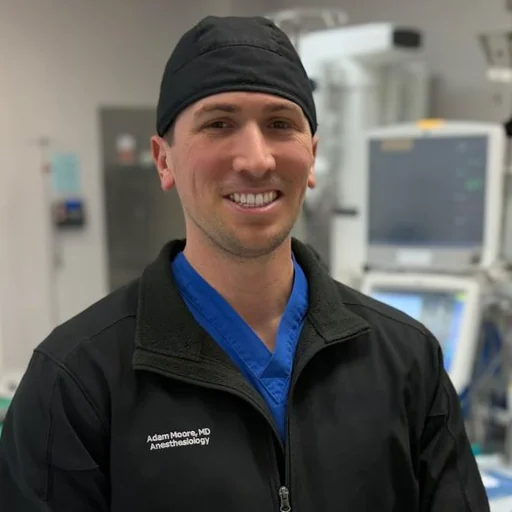
Practicing anesthesiologist with experience across MD-only, medical supervision of CRNAs, and medical direction of CAAs. Founded AnesthesiaJobs.com to help anesthesia professionals find the best job for their personal and professional life.
More about Adam →