Dental Anesthesia Jobs
Dental anesthesia is a specialized area of anesthesia practice focused on providing sedation and general anesthesia for dental and oral surgery procedures. These procedures are often performed outside the traditional hospital operating room, which means anesthesia providers work in a range of surgical environments including dental surgery centers, oral surgery practices, and office-based surgical settings.
Dental anesthesia jobs are typically found in oral surgery practices, dental surgery centers, and hospitals that perform complex dental and maxillofacial procedures. In these settings, anesthesia providers support procedures ranging from routine oral surgery to more advanced reconstructive operations.
The field includes both dentist anesthesiologists and physician anesthesiologists who work closely with oral and maxillofacial surgeons or pediatric dental specialists. Because many dental procedures involve outpatient surgical care, anesthesia providers in this field often focus on efficient, office-based anesthesia delivery while maintaining the same safety standards used in hospital environments.
Clinicians exploring dental anesthesiologist jobs can also browse broader listings of anesthesiologist jobs or review additional anesthesia jobs across different surgical specialties.
What Is Dental Anesthesia?
Dental anesthesia refers to the delivery of sedation and general anesthesia for procedures performed within dentistry and oral surgery. While many routine dental procedures are performed with local anesthesia, more complex cases often require deeper levels of sedation or full general anesthesia.
These procedures may include oral and maxillofacial surgery, dental implant placement, corrective jaw surgery, and surgical removal of impacted teeth.
Pediatric dental cases may also require anesthesia when young patients need extensive dental treatment that cannot be performed safely with local anesthesia alone.
Dental anesthesia is frequently delivered in office-based surgical environments, which distinguishes it from many other anesthesia subspecialties that primarily operate in hospitals. Providers must be comfortable managing airway safety, sedation levels, and physiology monitoring in outpatient clinical settings.
Both dentist anesthesiologists and physician anesthesiologists may provide care in these environments, often working closely with oral surgeons and dental specialists to support safe surgical care.
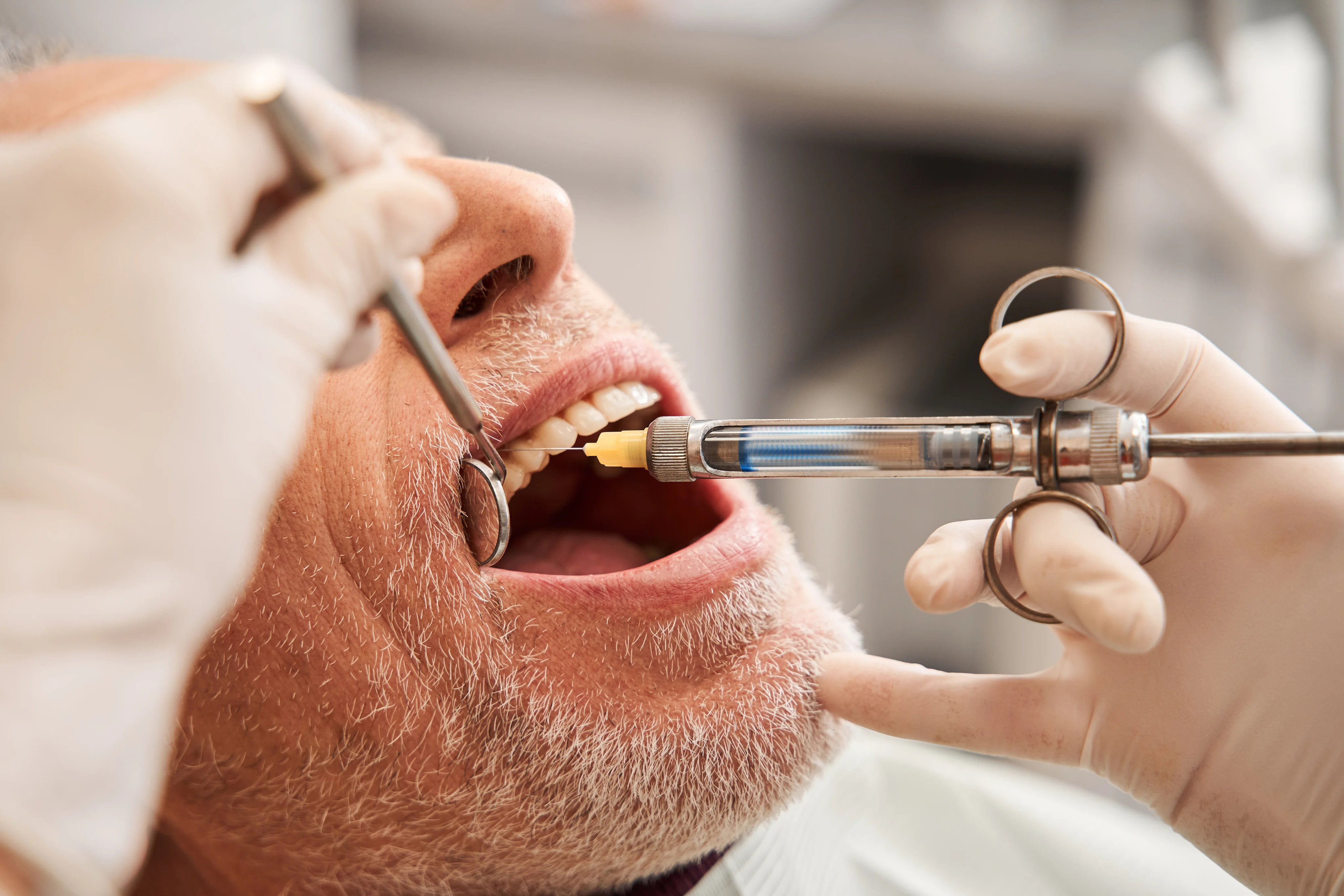
Where Dental Anesthesiologists Work
Dental anesthesiologists and anesthesia providers working in dental surgery environments practice in several different clinical settings. Many work within oral and maxillofacial surgery practices, which frequently perform procedures that require deep sedation or general anesthesia.
Dental surgery centers and specialty dental clinics are another common workplace. These facilities often perform outpatient procedures such as dental implant placement, corrective jaw surgery, and surgical removal of impacted wisdom teeth.
Some providers work in pediatric dental surgery practices, where anesthesia is used for children who require extensive dental procedures or who cannot tolerate treatment while awake. Pediatric dental anesthesia has become increasingly common as more practices offer surgical dental care in outpatient settings.
Hospitals also employ anesthesia providers for dental procedures, particularly when patients have complex medical conditions or require multidisciplinary surgical care. In addition, some physicians work within office-based anesthesia groups that provide anesthesia services across multiple oral surgery practices.
Demand for Dental Anesthesia Jobs
Demand for anesthesia providers in dental surgery continues to grow as more procedures shift toward outpatient surgical environments. Oral surgery practices and dental surgery centers perform a high volume of procedures that require sedation or general anesthesia, creating steady opportunities for anesthesia specialists.
The increasing use of sedation dentistry has also contributed to demand. Patients undergoing complex dental procedures often prefer deeper sedation or general anesthesia to improve comfort and reduce procedural anxiety. Pediatric dental surgery has expanded as well, particularly for young patients requiring multiple restorative procedures in a single session.
Because dental anesthesia is a relatively small subspecialty, the number of trained providers remains limited. As a result, oral surgery practices and dental surgery centers regularly recruit physicians and dentist anesthesiologists for dental anesthesia jobs.
Some providers enter the field after completing dental anesthesia residency programs, while physician anesthesiologists may work with oral surgeons after training in hospital anesthesia departments. Hospital-based oral surgery programs also create opportunities for anesthesiologists interested in dental surgery environments.
Typical Responsibilities In Dental Anesthesia
Dental anesthesia providers manage sedation and anesthesia care for a variety of dental and oral surgery procedures. While specific responsibilities depend on the practice setting, common responsibilities include:
- Providing sedation and general anesthesia for dental and oral surgery procedures
- Managing airway safety in office-based surgical environments
- Monitoring patient physiology during oral surgery procedures
- Delivering pediatric dental anesthesia for young patients undergoing surgery
- Coordinating care with oral surgeons, dental specialists, and surgical staff
- Managing postanesthesia recovery for outpatient dental surgery patients
Because many dental procedures are performed in outpatient settings, providers must maintain careful monitoring and recovery protocols to ensure patients can safely return home following surgery.
Dental Anesthesia Salary and Career Outlook
Dental anesthesia represents a specialized career path within anesthesia practice. Compensation can vary depending on provider background, practice setting, and geographic location.
Dental anesthesiologists may work in private dental surgery practices, pediatric dental clinics, or specialty anesthesia groups. Physician anesthesiologists may also work with oral surgeons or within outpatient anesthesia groups that support dental surgery practices.
Many dental anesthesia providers practice in office-based anesthesia environments, where surgical volume and efficiency play a major role in compensation. Private oral surgery practices often provide stable case volumes and long-term career opportunities for anesthesia providers with experience in outpatient surgical care.
For clinicians exploring dental anesthesia careers, the field offers a unique combination of surgical anesthesia practice and outpatient procedural care. The specialized nature of dental anesthesia also means that experienced providers are often highly valued within oral surgery and dental surgery practices.
Browse Dental Anesthesia Jobs
Opportunities in dental anesthesia can be found across oral surgery practices, dental surgery centers, hospital dental programs, and outpatient anesthesia groups. These positions support a wide range of procedures, from routine oral surgery to complex dental and maxillofacial operations.
Browse current dental anesthesia jobs to explore opportunities with oral surgery practices, dental surgery centers, and hospitals performing dental procedures across the United States.
You can also explore broader anesthesiologist job listings or browse CRNA Jobs and CAA Jobs to compare opportunities across all the different professions practicing anesthesia.
Related Pages
Compare the same role across other subspecialties or the same subspecialty across other professions.