CRNA Independent Practice States: 2026 Complete List
Quick Facts: CRNA Practice Authority in 2026
- Full practice authority states: ~26 states + Washington, D.C.
- VA system: CRNAs have full practice authority in ALL VA facilities nationwide
- Trend: More states moving toward independence each year
- Impact: Independent practice states often offer competitive salaries and expanded career options
- Opt-out states: 23 states have opted out of the federal Medicare physician supervision requirement
Understanding where CRNAs can practice independently is essential for career planning, job searches, and maximizing your professional autonomy. If you're searching for CRNA independent practice states, this comprehensive 2026 reference guide provides the complete breakdown — every full practice authority state, supervised practice states, recent legislative changes, and how practice authority affects your career and earning potential.
Whether you're a new CRNA graduate deciding where to launch your career, an experienced nurse anesthetist considering relocation, or a nursing student evaluating the CRNA career path, knowing the practice landscape across all 50 states empowers you to make informed decisions.
What Is CRNA Full Practice Authority?
Full practice authority (FPA) means a CRNA can evaluate patients, develop and implement anesthesia care plans, and administer anesthesia without the requirement of physician supervision or collaboration. In full practice authority states, CRNAs function as independent practitioners — initiating, managing, and completing anesthesia care on their own.
In contrast, restricted or supervised practice states require some form of physician involvement, which may range from:
- Direct supervision: A physician must be immediately available during anesthesia administration
- Collaborative agreement: A CRNA must have a formal agreement with a supervising or collaborating physician
- Medical direction: An anesthesiologist directs the care provided by the CRNA
The terminology and specific requirements vary by state, but the core distinction is whether CRNAs can practice to the full extent of their training without physician oversight mandates.
The Federal Opt-Out Process
In 2001, the Centers for Medicare & Medicaid Services (CMS) established a process allowing state governors to "opt out" of the federal Medicare requirement for physician supervision of CRNAs. States that opt out allow CRNAs to provide anesthesia services to Medicare patients without physician supervision, provided it's consistent with state law.
This opt-out is a key mechanism through which states expand CRNA practice authority. Currently, 23 states have exercised the opt-out, and the trend continues as more states recognize CRNAs' ability to deliver safe, high-quality anesthesia care independently.
Complete List: CRNA Full Practice Authority States (2026)
The following states grant CRNAs full practice authority — meaning CRNAs can practice independently without physician supervision requirements:
| State | Opt-Out Status | Notes |
|---|---|---|
| Alaska | ✅ Opted out | Full practice authority; rural areas rely heavily on CRNAs |
| Arizona | ✅ Opted out | Full practice authority since 2002 |
| Colorado | ✅ Opted out | Full practice authority; strong CRNA job market |
| Connecticut | ✅ Opted out | Full practice authority; growing CRNA demand |
| Idaho | ✅ Opted out | Full practice authority |
| Iowa | ✅ Opted out | Full practice authority |
| Kansas | ✅ Opted out | Full practice authority |
| Maine | ✅ Opted out | Full practice authority since early 2000s |
| Maryland | ✅ Opted out | Full practice authority |
| Minnesota | ✅ Opted out | Full practice authority |
| Montana | ✅ Opted out | Full practice authority; rural access focus |
| Nebraska | ✅ Opted out | Full practice authority |
| Nevada | ✅ Opted out | Full practice authority |
| New Hampshire | ✅ Opted out | Full practice authority |
| New Mexico | ✅ Opted out | Full practice authority |
| North Dakota | ✅ Opted out | Full practice authority |
| Oregon | ✅ Opted out | Full practice authority; progressive practice environment |
| Rhode Island | ✅ Opted out | Full practice authority |
| South Dakota | ✅ Opted out | Full practice authority |
| Vermont | ✅ Opted out | Full practice authority |
| Washington | ✅ Opted out | Full practice authority |
| West Virginia | ✅ Opted out | Full practice authority |
| Wisconsin | ✅ Opted out | Full practice authority |
| Wyoming | ✅ Opted out | Full practice authority |
| Washington, D.C. | ✅ Opted out | Full practice authority in the District |
Additionally: CRNAs have full practice authority in all Veterans Affairs (VA) facilities nationwide, regardless of the state's civilian practice laws. This is a significant consideration for CRNAs interested in federal employment.
Browse CRNA Jobs in Full Practice Authority States
Ready to explore opportunities in states where you can practice independently? Here are some of the most active CRNA job markets:
- CRNA Jobs in Colorado
- CRNA Jobs in Oregon
- CRNA Jobs in Washington
- CRNA Jobs in Arizona
- CRNA Jobs in Connecticut
- CRNA Jobs in Minnesota
- CRNA Jobs in Iowa
- CRNA Jobs in Nevada
States with Restricted or Supervised CRNA Practice
The remaining states require some form of physician involvement in CRNA practice. The specific requirements vary and can include supervision agreements, collaborative practice agreements, or medical direction mandates.
| State | Practice Model | Details |
|---|---|---|
| Alabama | Supervised | Physician supervision required |
| Arkansas | Supervised | Collaborative agreement with physician |
| California | Supervised | Physician supervision; large CRNA workforce |
| Delaware | Supervised | Physician supervision required |
| Florida | Supervised | Physician supervision; recent legislative discussions |
| Georgia | Supervised | Physician supervision required |
| Hawaii | Supervised | Physician supervision required |
| Illinois | Collaborative | Collaborative agreement required |
| Indiana | Supervised | Physician supervision required |
| Kentucky | Collaborative | Collaborative agreement with physician |
| Louisiana | Supervised | Physician supervision required |
| Massachusetts | Supervised | Physician supervision required |
| Michigan | Supervised | Physician supervision required |
| Mississippi | Supervised | Physician supervision required |
| Missouri | Collaborative | Collaborative agreement required |
| New Jersey | Supervised | Physician supervision required |
| New York | Supervised | Physician supervision; large CRNA workforce |
| North Carolina | Supervised | Physician supervision required |
| Ohio | Collaborative | Collaborative agreement required |
| Oklahoma | Supervised | Physician supervision required |
| Pennsylvania | Collaborative | Collaborative agreement with physician |
| South Carolina | Supervised | Physician supervision required |
| Tennessee | Supervised | Physician supervision required |
| Texas | Supervised | Physician supervision; large CRNA job market |
| Utah | Supervised | Physician supervision required |
| Virginia | Supervised | Physician supervision required |
Important note: Even in supervised practice states, CRNAs enjoy significant clinical autonomy in day-to-day practice. The supervision requirement primarily governs the legal framework, and many CRNAs in these states report high job satisfaction and substantial independence in clinical decision-making.
CRNAs in supervised states are also well-compensated — see salary data for CRNA jobs in California, CRNA jobs in Texas, and CRNA jobs in New York.
Recent Changes and Legislative Trends
The trend toward expanded CRNA practice authority has been accelerating, driven by several factors:
COVID-19 and Emergency Practice Authority
The COVID-19 pandemic was a significant catalyst for expanded CRNA practice authority. During the public health emergency:
- CMS temporarily waived the physician supervision requirement for CRNAs in all states
- CRNAs demonstrated their ability to safely and effectively provide anesthesia care independently
- Several states used this experience as evidence to pursue permanent practice authority changes
States Actively Considering Expanded Authority
Multiple states have active legislation or regulatory proposals to expand CRNA practice authority. While the legislative landscape changes frequently, states with recent or ongoing discussions include:
- Florida — ongoing advocacy for opt-out
- California — discussions about modernizing supervision requirements
- Texas — periodic legislative proposals
- New York — advocacy for expanded authority
- Pennsylvania — collaborative practice evolution
What's Driving the Trend?
Several factors are pushing more states toward independent CRNA practice:
- Provider shortages: Rural and underserved areas need independent anesthesia providers
- Cost efficiency: Independent CRNA practice reduces healthcare system costs
- Safety data: Decades of research demonstrate equivalent safety outcomes for CRNA-delivered anesthesia
- Access to care: Full practice authority expands patient access to surgical and procedural care
- Workforce flexibility: Removes administrative barriers to anesthesia delivery
For broader industry trends, visit Anesthesiologist Trends & Opportunities.
How Practice Authority Affects Your CRNA Career
Salary Implications
Does practicing in a full practice authority state mean higher pay? The relationship is nuanced:
- Some FPA states pay very well: Colorado, Oregon, and Washington offer competitive CRNA salaries
- Some supervised states also pay premium rates: California, New York, and Texas have high salaries driven by cost of living and demand
- Rural areas in FPA states may offer salary premiums plus loan repayment incentives to attract CRNAs
- Overall: Practice authority is one factor among many — location, cost of living, demand, and facility type all influence compensation
For detailed salary data, see How Much Do CRNAs Make? and our Top 10 Highest-Paying States for CRNAs.
Career Autonomy and Scope
In full practice authority states, CRNAs can:
- Own and operate independent anesthesia practices
- Bill insurance directly without physician involvement
- Serve as the sole anesthesia provider in hospitals, surgical centers, and clinics
- Provide anesthesia in rural communities where physician anesthesiologists may not be available
- Exercise full clinical judgment in patient assessment, care planning, and anesthesia delivery
Job Market Impact
Full practice authority states often have:
- More diverse job opportunities — solo practice, group practice, facility employment, locum tenens
- Entrepreneurial possibilities — CRNAs can start their own anesthesia practices
- Higher demand for CRNAs — especially in rural areas where they may be the primary anesthesia provider
- Greater negotiating power — independence translates to stronger position in salary negotiations
Interested in flexible practice arrangements? Explore our Locum Tenens Guide for CRNAs.
Choosing Where to Practice
When evaluating states for your CRNA career, consider these factors together:
| Factor | Full Practice Authority States | Supervised Practice States |
|---|---|---|
| Clinical autonomy | Maximum | Varies by agreement |
| Practice ownership | Possible | Limited in some states |
| Rural opportunities | Often abundant | Available but structured differently |
| Salary range | Competitive | Also competitive (varies by state) |
| Job availability | Strong | Strong (especially large metro areas) |
| Billing independence | Yes | May require physician involvement |
VA System: Full Practice Authority Nationwide
A particularly noteworthy development: CRNAs have full practice authority in all Veterans Affairs (VA) facilities across all 50 states, regardless of state-level practice laws. This means:
- CRNAs at VA hospitals practice independently without physician supervision requirements
- The VA recognized CRNA full practice authority in a 2016 final rule
- VA facilities offer competitive federal salaries, benefits, and retirement packages
- This applies to all VA medical centers and outpatient surgical facilities
For CRNAs who want to practice independently but live in a supervised-practice state, VA employment offers a pathway to full autonomy without relocating.
How This Affects CRNA Education Decisions
If you're still in the education pipeline — whether completing your BSN, gaining ICU experience, or applying to CRNA programs — practice authority should factor into your planning:
- Choose clinical rotations wisely: If possible, gain experience in both independent and supervised practice settings during your CRNA program
- Understand the legal landscape: Take courses or CE in healthcare law and policy
- Stay engaged professionally: Join the AANA (American Association of Nurse Anesthesiology) and participate in advocacy
- Think long-term: Even if your state doesn't currently have FPA, the trend suggests more states will adopt it
Comparing Anesthesia Provider Practice Models
Understanding CRNA practice authority also means understanding how it fits within the broader anesthesia care landscape:
| Provider | Practice Model | Supervision Required? |
|---|---|---|
| CRNA (FPA state) | Independent | No |
| CRNA (supervised state) | Supervised/collaborative | Yes (varies by state) |
| CRNA (VA system) | Independent | No (all states) |
| CAA | Physician-supervised | Yes (always) |
| Anesthesiologist | Independent physician | No |
For detailed comparisons of these roles, see CRNA vs. Anesthesiologist, CAA vs. CRNA, and the complete three-way comparison.
Related Reading
- How to Become a CRNA: 2026 Step-by-Step Guide
- Top 10 Highest-Paying States for CRNAs
- How Much Do CRNAs Make? Salary Guide
- Locum Tenens Guide for CRNAs
Find your next opportunity in a state that matches your practice goals. AnesthesiaJobs.com lets you filter CRNA positions by state, practice setting, and more — including full practice authority states.
Browse CRNA Jobs on AnesthesiaJobs.com →
Never miss a new listing in your preferred state. Sign up for job alerts and stay ahead of the market.
Frequently Asked Questions
How many states allow CRNAs to practice independently?
As of 2026, approximately 26 states plus Washington, D.C. grant CRNAs full practice authority, allowing them to administer anesthesia without physician supervision. Additionally, CRNAs have full practice authority in all VA facilities nationwide, regardless of state law.
What does "CRNA full practice authority" mean?
Full practice authority means a CRNA can independently evaluate patients, develop anesthesia care plans, administer anesthesia, and manage all aspects of anesthesia care without a legal requirement for physician supervision or collaboration. CRNAs in FPA states function as autonomous practitioners.
Do CRNAs in supervised states earn less than those in independent practice states?
Not necessarily. Salary is influenced by many factors, including geographic location, cost of living, demand, and facility type. Some supervised states like California, New York, and Texas offer very high CRNA salaries. Practice authority is one of many factors to consider — see our CRNA salary guide for state-by-state data.
Can CRNAs own their own practice?
Yes — in full practice authority states, CRNAs can own and operate independent anesthesia practices, bill insurance directly, and serve as the sole anesthesia provider in a facility. This entrepreneurial option is a significant benefit of practicing in FPA states.
Are more states likely to grant CRNAs full practice authority?
The trend strongly suggests yes. The number of FPA states has grown steadily over the past decade, accelerated by the COVID-19 pandemic. Provider shortages, safety data supporting independent CRNA practice, and the need for expanded healthcare access are all driving more states to consider expanding CRNA practice authority.
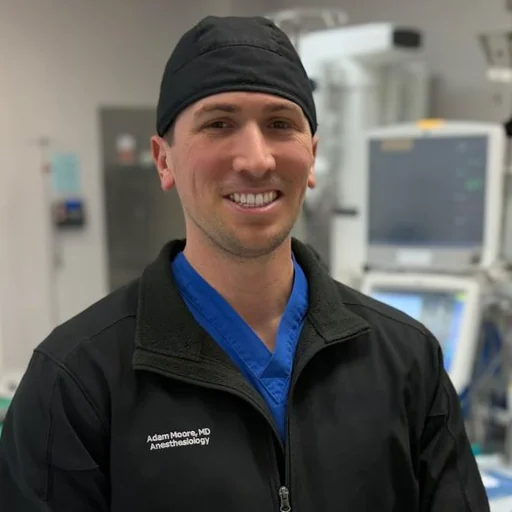
Practicing anesthesiologist with experience across MD-only, medical supervision of CRNAs, and medical direction of CAAs. Founded AnesthesiaJobs.com to help anesthesia professionals find the best job for their personal and professional life.
More about Adam →