CAA Dental Anesthesia Jobs
Certified Anesthesiologist Assistants (CAAs) are highly trained anesthesia providers who practice within the Anesthesia Care Team (ACT) model alongside supervising physician anesthesiologists. In dental and oral surgery settings, CAAs support sedation and anesthesia care as part of coordinated surgical teams in licensed states.
CAA dental anesthesia jobs are typically found at hospital-affiliated oral and maxillofacial surgery programs, academic dental clinics, and large dental surgery groups that operate under an Anesthesia Care Team model. CAAs support the delivery of sedation and general anesthesia for dental procedures performed on medically complex patients, pediatric dental cases, and hospital-based oral surgery.
Because CAA practice is limited to states that license anesthesiologist assistants, opportunities in dental anesthesia are concentrated within those markets and typically require collaboration with a supervising anesthesiologist.
CAAs exploring CAA jobs can also browse broader listings across other subspecialties and anesthesia opportunities nationwide.
What Is CAA Dental Anesthesia?
CAA dental anesthesia focuses on the safe delivery of sedation and anesthesia for dental and oral surgical procedures within the Anesthesia Care Team model. CAAs work under the direction of supervising anesthesiologists and contribute to the full perioperative care of dental surgical patients.
In most dental anesthesia settings where CAAs practice, the work environment is a hospital-affiliated oral surgery suite, an academic dental clinic, or a large multi-provider dental surgery group rather than a small private dental office. These environments support the care team structure and physician oversight that CAA practice is built around.
CAAs in dental anesthesia collaborate closely with oral and maxillofacial surgeons, dentist anesthesiologists, and supervising physician anesthesiologists. This team structure is central to the ACT model and defines scope of practice within every licensed state.
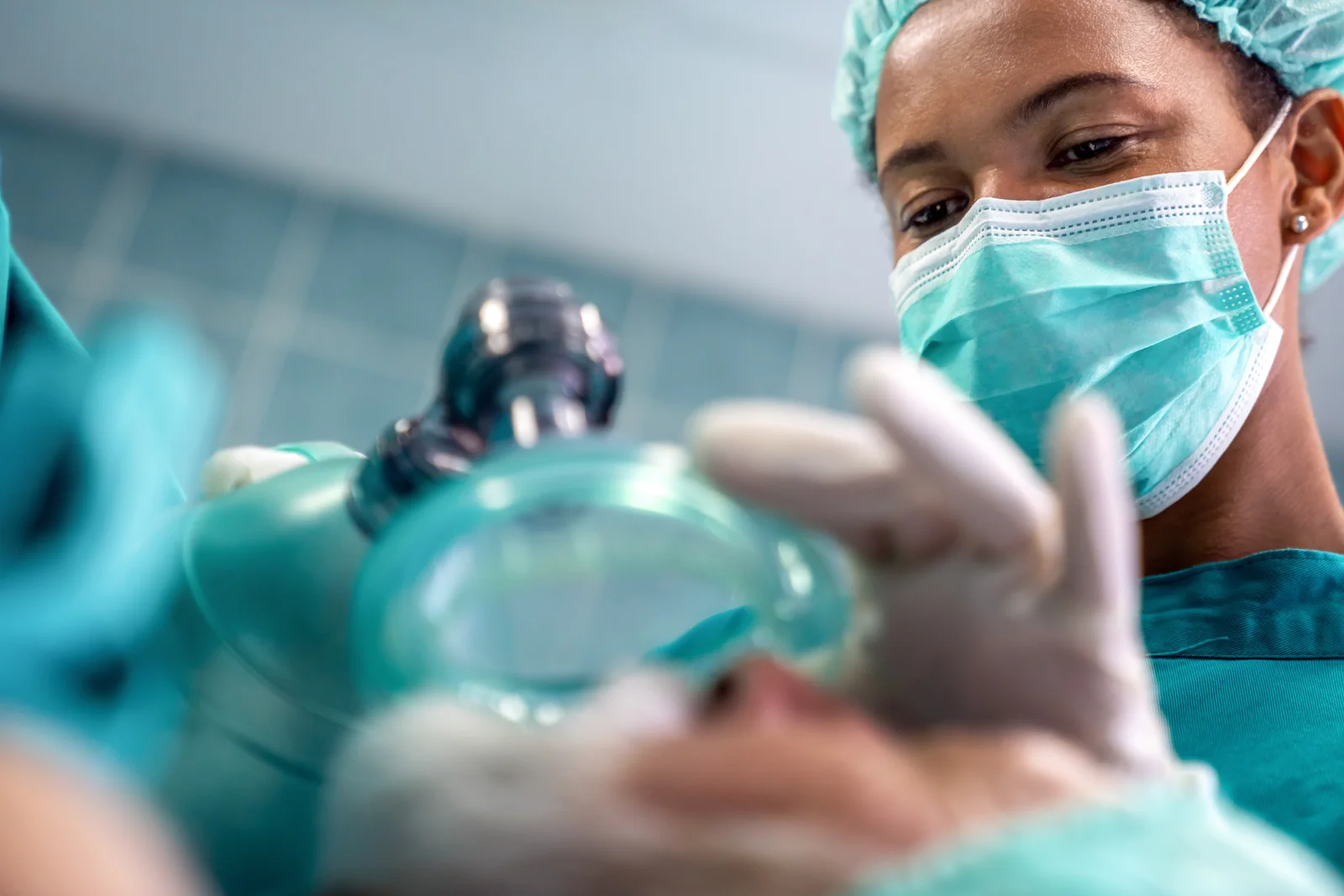
Where CAAs Work in Dental Anesthesia
CAAs practicing dental anesthesia are most commonly found in hospital-based oral and maxillofacial surgery programs, academic dental clinics, and large integrated dental surgery organizations within CAA-licensed states. These environments support the care team structure that CAA practice depends on.
Typical cases supported by CAA dental teams include complex extractions, dental implant surgery, full-mouth restoration under general anesthesia, and pediatric dental cases for medically complex patients who require hospital-based anesthesia care.
Larger healthcare systems may rotate CAAs between a main operating room and an affiliated dental surgery suite, which allows them to contribute to a broader mix of cases while supporting the dental program.
Demand for CAA Dental Anesthesia
Demand for CAAs in dental anesthesia follows the broader growth of the Anesthesia Care Team model and the expansion of CAA licensure across additional states. As hospital-based dental programs expand perioperative anesthesia coverage, CAAs are well positioned to support stable team-based staffing models.
Recruitment is typically concentrated in states that license CAAs and within health systems that have committed to the ACT model. Candidates with pediatric sedation experience or hospital-based anesthesia backgrounds bring added value to dental anesthesia teams.
As more states consider CAA licensure, growth opportunities in dental anesthesia and other subspecialties continue to expand for the CAA workforce.
Typical Responsibilities
CAAs in dental anesthesia contribute to perioperative care within the Anesthesia Care Team model. Common responsibilities include:
- Performing preoperative evaluations under physician supervision
- Placing monitoring, IVs, and supporting induction and emergence
- Assisting with airway management during dental sedation and anesthesia
- Monitoring anesthetic depth and physiologic status intraoperatively
- Coordinating with oral surgeons, dentists, and the supervising anesthesiologist
- Supporting PACU handoff and post-anesthesia recovery
Scope of practice is always defined by the supervising anesthesiologist and by the licensure requirements of the state where the CAA practices.
Salary and Career Outlook
CAAs are generally compensated competitively within the hospital anesthesia workforce, with variation based on geographic location, institution type, and case mix. Dental anesthesia roles are typically similar to other CAA positions within the same health system.
Career opportunities grow as CAA licensure expands to new states and as more programs formally integrate CAAs into their dental anesthesia services. Experienced CAAs may move into lead or educator roles within anesthesia departments.
For CAAs interested in team-based practice that supports surgical access for medically complex dental patients, dental anesthesia offers a focused subspecialty career path within the CAA profession.
Browse CAA Dental Anesthesia Jobs
Hospital-affiliated dental surgery programs and academic dental clinics in CAA-licensed states continue to recruit Certified Anesthesiologist Assistants for dental anesthesia coverage within the Anesthesia Care Team model.
Browse current CAA dental anesthesia jobs or review broader CAA jobs nationwide.
Related Pages
Compare the same role across other subspecialties or the same subspecialty across other professions.