CRNA Pediatric Anesthesia Jobs
Certified Registered Nurse Anesthetists (CRNAs) with pediatric expertise play an essential role in anesthesia care for infants, children, and adolescents. Pediatric CRNAs practice across children's hospitals, academic medical centers, and large healthcare systems with dedicated pediatric surgery programs.
CRNA pediatric anesthesia jobs exist in both tertiary children's hospitals and community hospitals that perform a steady volume of pediatric procedures. Because pediatric patients present unique physiologic and airway considerations, these roles tend to favor CRNAs with dedicated pediatric experience or advanced training in children's anesthesia.
Nurse anesthetists working in pediatric programs often collaborate closely with pediatric surgeons, anesthesiologists, NICU teams, and pediatric intensivists to manage patients before, during, and after surgery.
CRNAs exploring CRNA jobs can also browse broader listings across other subspecialties and anesthesia opportunities nationwide.
What Is CRNA Pediatric Anesthesia?
CRNA pediatric anesthesia focuses on the safe management of sedation and anesthesia for infants, children, and adolescents undergoing surgical or diagnostic procedures. It requires careful attention to weight-based dosing, pediatric airway anatomy, and the developmental physiology of younger patients.
Nurse anesthetists in this field practice across a wide range of pediatric procedures — general surgery, orthopedics, ENT, urology, and in some programs, pediatric cardiac or neurosurgical cases. Many pediatric CRNAs also support outpatient imaging sedation and diagnostic procedures that require anesthesia coverage.
Because pediatric anesthesia is a specialized area of practice, many CRNAs pursue additional training, certifications, and clinical experience before moving into dedicated pediatric roles. Ongoing education in neonatal physiology, pediatric airway management, and resuscitation supports long-term growth in this subspecialty.
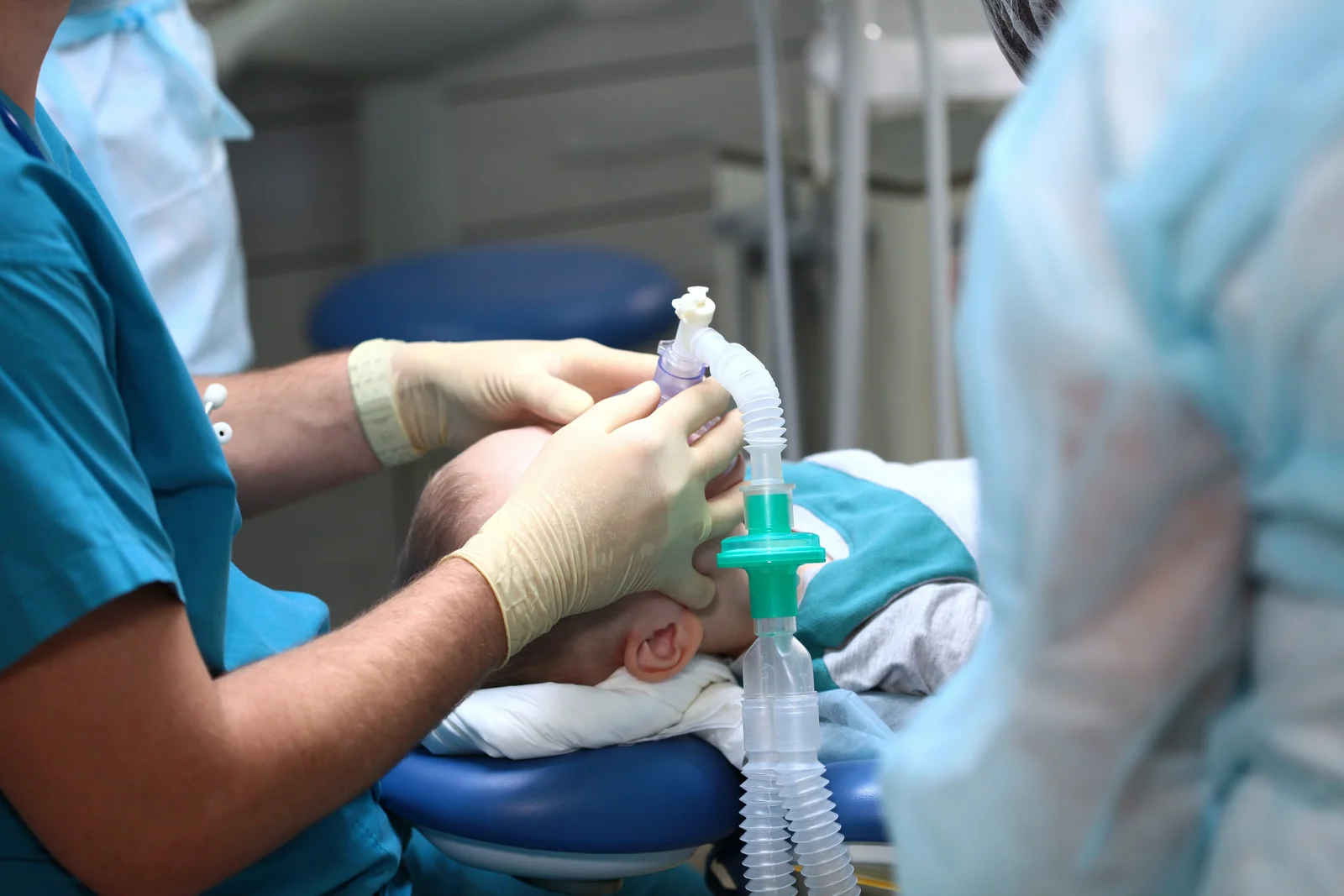
Where CRNAs Work in Pediatric Anesthesia
Pediatric CRNAs most commonly practice in standalone children's hospitals, university medical centers with pediatric surgery programs, and regional health systems that support dedicated children's service lines. These institutions have the patient volume, multidisciplinary teams, and clinical infrastructure to support complex pediatric perioperative care.
Community hospitals with active pediatric surgical programs also employ CRNAs with pediatric experience, particularly for elective cases such as pediatric ENT, dental, and orthopedic procedures. In some rural and underserved areas, pediatric CRNAs provide essential anesthesia coverage for small-volume pediatric programs.
In larger programs, CRNAs typically work as part of a pediatric anesthesia team led by fellowship-trained pediatric anesthesiologists. These collaborative environments support strong clinical mentorship and exposure to complex cases.
Demand for CRNA Pediatric Anesthesia
Demand for CRNAs with pediatric experience continues to grow alongside expansion of children's healthcare services, outpatient surgical programs, and imaging sedation volumes. Children's hospitals and academic medical centers regularly recruit pediatric CRNAs to support high-acuity caseloads and stable operating room coverage.
Pediatric surgical programs are often concentrated in larger health systems, which means recruitment tends to focus on CRNAs who can commit to full-time pediatric practice or who are willing to relocate to pediatric specialty centers.
As pediatric surgical volume increases and more pediatric procedures move into ambulatory settings, nurse anesthetists with pediatric expertise remain one of the most sought-after groups in the CRNA job market.
Typical Responsibilities
CRNAs in pediatric anesthesia manage the perioperative care of infants, children, and adolescents undergoing surgical procedures. Common responsibilities include:
- Providing anesthesia care for pediatric surgical and diagnostic procedures
- Managing pediatric airway anatomy and specialized ventilation strategies
- Calculating and administering weight-based anesthetic medications
- Monitoring physiologic changes specific to pediatric patients
- Coordinating with pediatric surgeons, NICU teams, and surgical staff
- Supporting postoperative recovery and pediatric pain management
These responsibilities require careful attention to pediatric physiology, strong teamwork within multidisciplinary children's care programs, and readiness to manage emergencies common in younger patients.
Salary and Career Outlook
CRNAs are consistently among the highest-paid advanced practice nurses, and pediatric roles at major children's hospitals and academic centers are generally competitive with other hospital-based CRNA positions. Compensation varies based on geographic location, call burden, and institution type.
Career opportunities exist across children's hospitals, university health systems, and community hospitals with pediatric programs. Experienced pediatric CRNAs may also move into leadership roles within anesthesia departments or pediatric service lines.
For nurse anesthetists interested in working with pediatric patients and multidisciplinary surgical teams, pediatric anesthesia offers a specialized and durable career path within the CRNA profession.
Browse CRNA Pediatric Anesthesia Jobs
Children's hospitals and pediatric surgery programs across the United States regularly recruit CRNAs with pediatric experience. Opportunities exist at academic medical centers, dedicated children's hospitals, and community health systems with pediatric service lines.
Browse current CRNA pediatric anesthesia jobs or review broader CRNA jobs nationwide.
Related Pages
Compare the same role across other subspecialties or the same subspecialty across other professions.