CRNA Dental Anesthesia Jobs
Certified Registered Nurse Anesthetists (CRNAs) are advanced practice registered nurses who play a central role in dental and oral surgery anesthesia programs across the United States. Because many dental procedures are performed in office-based settings, CRNAs often provide sedation and general anesthesia coverage for oral surgery practices, pediatric dental clinics, and dental surgery centers.
CRNA dental anesthesia jobs are commonly found with oral and maxillofacial surgery groups, multi-location dental surgery organizations, and hospital-affiliated dental clinics. In states that support independent CRNA practice, these positions often form the backbone of office-based dental anesthesia coverage, allowing oral surgeons and dentist anesthesiologists to focus on the procedural side of care.
As outpatient dental surgical volume grows, demand for CRNAs trained in office-based anesthesia continues to expand. Nurse anesthetists with dental sedation experience bring value across a wide range of procedures — from complex third-molar extractions to pediatric dental restorations under general anesthesia.
CRNAs exploring CRNA jobs can also browse broader listings for related subspecialties and anesthesia opportunities across the country.
What Is CRNA Dental Anesthesia?
CRNA dental anesthesia focuses on the safe delivery of sedation and general anesthesia during dental and oral surgical procedures. Rather than working in a traditional hospital operating room, CRNAs in this field typically provide anesthesia care in office-based dental surgery suites, multi-operatory dental centers, and ambulatory oral surgery practices.
Nurse anesthetists practicing in dental settings manage the full perioperative process — preoperative evaluation, airway planning, intraoperative monitoring, and post-anesthesia recovery. In dental office environments, this often happens within a limited-resource footprint compared to a hospital, which is why CRNAs chosen for these roles tend to have strong airway management and office-based experience.
Most CRNAs in this field work collaboratively with oral and maxillofacial surgeons, pediatric dentists, and dentist anesthesiologists. Scope of practice varies by state — in many jurisdictions CRNAs operate with a high level of autonomy, while in others they practice within a team model alongside a supervising dentist or physician.
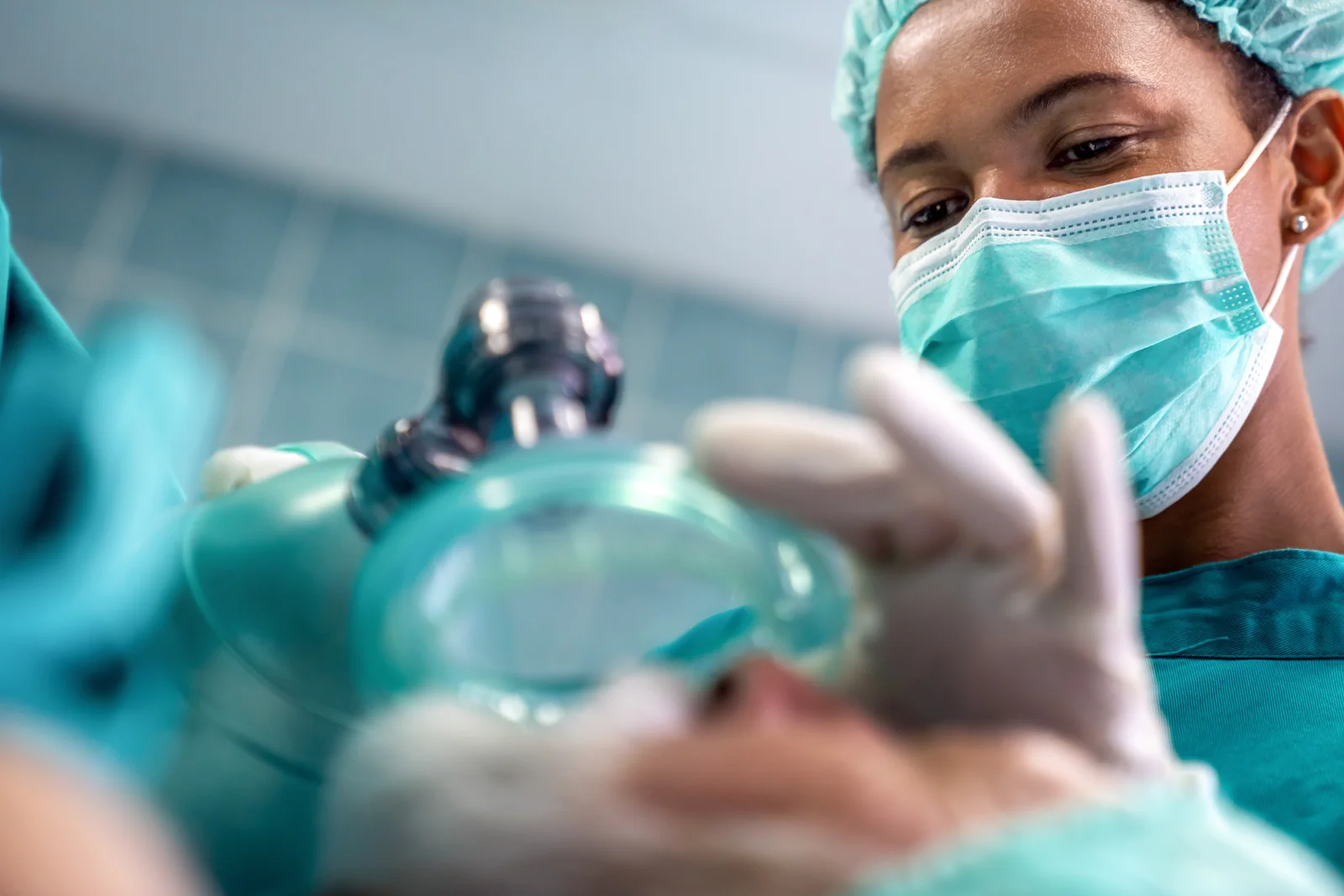
Where CRNAs Work in Dental Anesthesia
CRNAs practicing dental anesthesia are most commonly found in oral and maxillofacial surgery offices, multi-provider dental surgery centers, and pediatric dental surgery programs. Many of these environments run multiple operatories concurrently and rely on experienced nurse anesthetists to cover cases efficiently throughout the day.
Typical procedures supported by dental CRNAs include impacted third-molar extractions, dental implant surgery, full-mouth restorations under general anesthesia, and pediatric dental cases that require deep sedation due to age or medical complexity. In states with broad CRNA practice authority, nurse anesthetists often lead anesthesia coverage in these settings.
Larger oral surgery groups and multi-location dental surgery organizations may employ teams of CRNAs who rotate across offices, while smaller practices often contract with independent CRNAs on a per-diem or part-time basis. This flexibility is one of the most attractive features of the field.
Demand for CRNA Dental Anesthesia
Demand for CRNAs in dental anesthesia continues to grow as outpatient dental surgical volume expands and more procedures move out of hospital operating rooms into office-based environments. CRNAs offer a cost-effective, high-quality anesthesia staffing solution for dental surgery groups that want consistent in-house coverage without building a full hospital anesthesia department.
Oral and maxillofacial surgery practices regularly recruit CRNAs for office-based sedation coverage, particularly in states where nurse anesthetists can practice with a high degree of autonomy. Pediatric dental surgery programs also drive demand, as young patients frequently require general anesthesia for comprehensive dental care.
Many nurse anesthetists entering this subspecialty leverage existing office-based anesthesia or ambulatory surgery experience. Ongoing education in airway management, pediatric sedation, and emergency response supports continued growth in dental anesthesia roles.
Typical Responsibilities
CRNAs in dental anesthesia manage the perioperative care of patients undergoing oral surgery and dental procedures. Common responsibilities include:
- Performing preoperative anesthesia evaluations and airway assessments
- Administering sedation, general anesthesia, and local anesthesia as needed
- Managing airway and ventilation in office-based dental settings
- Monitoring vital signs and anesthetic depth during procedures
- Coordinating care with oral surgeons, dentists, and office staff
- Leading post-anesthesia recovery and discharge planning
These responsibilities require strong independent clinical judgment, rapid airway management skills, and comfort working in office-based environments with limited ancillary support.
Salary and Career Outlook
CRNAs are consistently among the highest-paid advanced practice nurses in the United States, and dental anesthesia roles are typically competitive with hospital and surgery center positions. Compensation varies with practice setting, geographic location, case volume, and whether the CRNA is employed or contracted.
Many dental CRNAs work on flexible schedules, with opportunities for per-diem coverage, part-time arrangements, and multi-office rotations. Experienced nurse anesthetists may also build 1099 independent contractor practices focused entirely on office-based dental anesthesia coverage.
Career growth in this subspecialty often comes through developing relationships with multiple oral surgery and dental practices, building a consistent referral pipeline, and expanding clinical expertise in areas such as pediatric sedation and complex airway management.
Browse CRNA Dental Anesthesia Jobs
Oral surgery practices, dental surgery centers, and pediatric dental programs across the country continue to recruit nurse anesthetists for office-based dental anesthesia coverage. Opportunities exist for employed, part-time, and independent contractor positions.
Browse current CRNA dental anesthesia jobs or review broader CRNA jobs nationwide.
Related Pages
Compare the same role across other subspecialties or the same subspecialty across other professions.