CRNA Scope of Practice by State: 2026 Complete Guide
Key Takeaways
- As of 2026, 29 states plus Washington, D.C. allow CRNAs to practice without physician supervision — and the list keeps growing - CRNA scope of practice by state is shaped by a combination of federal CMS opt-out status and individual state nurse practice acts
- States fall into three categories: full practice authority, opt-out with restrictions, and physician supervision required
- CRNAs administer over 58 million anesthetics per year and serve as the sole anesthesia provider in more than two-thirds of rural hospitals
- Independent practice states often offer CRNAs stronger compensation and broader career flexibility
If you’re a Certified Registered Nurse Anesthetist — or aspiring to become one — understanding CRNA scope of practice by state is one of the most important career decisions you’ll make. Where you practice determines the level of autonomy you’ll have, the care models available to you, and often how much you’ll earn. The regulatory landscape has shifted dramatically in recent years, with multiple states expanding CRNA practice authority in 2024, 2025, and 2026.
This comprehensive guide breaks down the current practice environment across all 50 states, explains the critical difference between federal opt-out status and state-level practice authority, and helps you identify the states that offer the strongest opportunities. Whether you’re a new grad planning your first job search or an experienced CRNA considering a move, this guide gives you the complete picture. For open positions across the country, explore CRNA jobs on AnesthesiaJobs.com.
For a deeper look at which states allow CRNAs to work without any physician oversight — and what that means in real-world practice — see our dedicated CRNA independent practice states guide.
📊 Salary Data Sources & Freshness This guide cites data from multiple sources: the U.S. Bureau of Labor Statistics (BLS, May 2024 — latest government data), ZipRecruiter (2026 advertised salaries), Glassdoor, AMN Healthcare, SalaryDr, and other industry reports. Government salary surveys have a 12–18 month reporting lag. Current advertised salaries on job boards typically reflect real-time market conditions and may be higher. Anesthesia provider compensation has risen steadily over the past five years.
What Defines CRNA Scope of Practice by State?
CRNA scope of practice is not governed by a single national standard. Instead, it’s shaped by two layers of regulation that interact in ways every CRNA needs to understand: federal policy and state law.
The Federal Layer: CMS Opt-Out
In 2001, the Centers for Medicare & Medicaid Services (CMS) established a rule allowing state governors to opt out of the federal requirement that CRNAs be supervised by a physician when providing anesthesia to Medicare patients. The intent was to expand access to anesthesia care — particularly in rural and underserved communities where CRNAs often serve as the sole anesthesia provider (AANA, 2025).
As of 2026, 25 states plus Guam have formally opted out of this CMS supervision requirement (AANA, 2025). However, the opt-out addresses only the Medicare participation condition. It does not automatically change what CRNAs can do under state law.
The State Layer: Nurse Practice Acts
Each state defines CRNA scope of practice through its nurse practice act and related regulations. These laws determine whether CRNAs can practice independently, what level of collaboration or supervision is required, and whether CRNAs have prescriptive authority. A state can opt out of the CMS requirement and still maintain state-level supervision requirements — or conversely, state law may grant broad CRNA autonomy regardless of CMS status.
This two-layer system means that CRNA scope of practice by state varies widely, and understanding both layers is essential before accepting a position in a new state.
The Three Categories of CRNA Practice Authority
Based on how federal opt-out status and state nurse practice acts interact, states generally fall into one of three categories:
| Category | Description | What It Means for CRNAs |
|---|---|---|
| Full Practice Authority | Governor opted out of CMS requirement AND state law allows independent practice | CRNAs practice without physician supervision; strongest autonomy |
| Opt-Out with Restrictions | CMS supervision requirement is waived, but state law adds guardrails | CRNAs may need collaborative agreements, protocols, or setting-specific limitations |
| Physician Supervision Required | State law mandates physician oversight regardless of CMS status | CRNAs work under physician supervision or direction per state statute |
Understanding which category your target state falls into is the first step in evaluating any job opportunity. Even within full practice authority states, individual hospitals and health systems may maintain internal policies that require physician involvement — so always verify facility bylaws and credentialing requirements before accepting a role.
CRNA Scope of Practice by State: Full Practice Authority in 2026
As of 2026, the following 29 states plus Washington, D.C. allow CRNAs to practice independently without physician supervision, based on a combination of CMS opt-out status and state-level practice authority (Medicus Healthcare Solutions, 2026; PracticeSeeker, 2026):
| Full Practice Authority States | ||
|---|---|---|
| Alabama | Kansas | Oklahoma |
| Alaska | Kentucky | Oregon |
| Arizona | Maine | South Dakota |
| Arkansas | Massachusetts | Vermont |
| California | Minnesota | Washington |
| Colorado | Montana | Washington, D.C. |
| Connecticut | Nebraska | West Virginia |
| Delaware | New Hampshire | Wisconsin |
| Hawaii | New Mexico | |
| Idaho | North Dakota | |
| Illinois | ||
| Iowa |
States with Transition-to-Practice Requirements
Several full practice authority states require newly licensed CRNAs to complete a supervised transition period before practicing independently. As of 2026, these include:
- Colorado — Requires a defined transition-to-practice period
- Massachusetts — Opted out of CMS supervision in June 2024; includes transition requirements for new graduates
- Vermont — Requires supervised clinical hours before independent practice
- West Virginia — Signed legislation in May 2025 replacing “supervision” with “cooperation”; includes transition provisions
These transition-to-practice requirements are designed to support new graduates as they build clinical confidence — not to limit the profession. Experienced CRNAs relocating to these states typically qualify for full independent practice immediately.
States That Still Require Physician Supervision
Approximately 21 states maintain physician supervision or direction requirements for CRNAs in their state laws. Major states in this category include Florida, Georgia, Michigan, New York, North Carolina, Ohio, Pennsylvania, Tennessee, Texas, and Virginia.
However, this list is actively shrinking. In 2025 alone, Florida introduced legislation for full CRNA practice authority (SB 718 / HB 649), and Virginia introduced bills to eliminate direct supervision requirements (Becker’s ASC Review, 2025). Pennsylvania legislators have also introduced co-sponsorship memos supporting full CRNA scope of practice.
States Expanding CRNA Scope of Practice in 2025–2026
The regulatory landscape is moving quickly. Here are the most significant changes since mid-2024:
| State | Change | Year |
|---|---|---|
| West Virginia | Replaced physician “supervision” with “cooperation” model; CRNAs work as team members with physicians | 2025 |
| California | Assemblyman Heath Flora introduced bills to clarify CRNA roles and regulations | 2025 |
| Florida | Senate Bill 718 and House Bill 649 filed to grant CRNAs full practice authority | 2025 |
| Virginia | Legislation introduced to eliminate direct CRNA supervision requirements | 2025 |
| Massachusetts | Opted out of federal CMS physician supervision requirement | 2024 |
| Washington, D.C. | Removed collaboration requirements for all APRNs, including CRNAs | 2024 |
(Source: Becker’s ASC Review, 2025)
The trend is clear: more states are recognizing the value of granting CRNAs full practice authority to expand healthcare access, especially in underserved and rural communities. CRNAs who stay current on legislative changes can position themselves for new opportunities as states expand their scope.
How CRNA Scope of Practice Affects Your Career
Understanding CRNA scope of practice by state isn’t just a legal exercise — it has real-world impact on your daily work life, your earning potential, and your long-term career trajectory.
Autonomy and Professional Satisfaction
In full practice authority states, CRNAs can independently perform pre-operative assessments, develop anesthetic plans, administer anesthesia, and manage post-operative care. Many experienced CRNAs report that this level of clinical ownership leads to greater professional satisfaction and sharper clinical judgment over time.
Compensation and Market Demand
States with full practice authority often offer stronger CRNA compensation because CRNAs take on broader responsibilities and may serve as the sole anesthesia provider — particularly in rural and outpatient settings. The national CRNA median salary is $223,210 (BLS, May 2024), with advertised positions averaging $260,000 (ZipRecruiter, 2026). Top earners at the 90th percentile reach $394,500 (ZipRecruiter, 2026). CRNAs who work in independent practice settings, especially in rural and high-demand areas, frequently earn at the higher end of these ranges.
The market hourly rate for permanent CRNA positions is approximately $200/hr (2026), while locum tenens CRNAs earn $200–$325+/hr, with annual locum gross earnings reaching $400,000–$550,000+. For more on CRNA compensation trends, see our complete CRNA salary guide.
Rural Access and Opportunity
CRNAs are the backbone of rural anesthesia in America. According to the AANA (2025), CRNAs represent more than 80% of all anesthesia providers in rural communities. Roughly one-third of all U.S. hospitals and more than two-thirds of rural hospitals rely exclusively on CRNAs for anesthesia services.
Full practice authority states often see stronger CRNA presence in rural communities because the regulatory framework supports solo practice. This creates robust demand — and often premium compensation — for CRNAs willing to serve rural populations. For a closer look at rural opportunities, explore our guide to rural anesthesia jobs.
Job Growth Outlook
The Bureau of Labor Statistics projects 9% job growth for CRNAs from 2024 to 2034 — well above the average for all occupations. Combined with a projected shortfall of more than 10,000 anesthesiologists by 2038 (National Center for Health Workforce Analysis), demand for CRNAs is expected to intensify across all practice environments. States that expand CRNA scope of practice are likely to see the strongest growth in available positions.
Practice Models: What Scope of Practice Looks Like Day-to-Day
Scope of practice laws set the floor, but your actual daily autonomy depends heavily on the practice model at your facility. Understanding the four main anesthesia practice models helps you evaluate real-world opportunities:
CRNA-Only Model
Facilities using this model do not employ anesthesiologists. CRNAs plan and deliver all anesthesia care independently. This model is most common in:
- Outpatient surgery centers
- Physician offices and dental surgery centers
- Rural and critical access hospitals
CRNAs in this model enjoy the highest level of clinical autonomy and often earn premium compensation for the breadth of responsibility they carry.
Collaborative Care Model
CRNAs practice independently but have anesthesiologists available for consultation. CRNAs bill patients as independent providers. This model balances autonomy with team-based support and is common in mid-sized community hospitals.
Anesthesia Care Team (ACT) Model
An anesthesiologist medically directs two to four CRNAs, meeting specific documentation requirements for each case. This model is prevalent in large hospital systems and academic medical centers. CRNAs in ACT settings benefit from team support while still delivering hands-on anesthesia care.
How Practice Models Vary Within States
Even in full practice authority states, large academic medical centers may use the ACT model. Conversely, rural facilities in supervision-required states may operate with near-complete CRNA autonomy in practice, even if a supervising physician is technically on call. The key is to ask detailed questions during your job search about which practice model a facility uses — and how that translates to daily clinical responsibility.

CRNA Prescriptive Authority by State
Prescriptive authority — the ability to prescribe medications — is a critical component of CRNA scope of practice by state. In many full practice authority states, CRNAs have broad prescriptive authority that includes anesthesia-related medications and, in some cases, broader drug classes including controlled substances.
Key prescriptive authority patterns include:
- Full prescriptive authority: CRNAs can prescribe independently, including controlled substances (most full practice authority states)
- Limited prescriptive authority: CRNAs may prescribe under collaborative agreements or with physician co-signature requirements
- Transition-period prescriptive authority: New graduates may have supervised prescribing for a defined period (e.g., Colorado, Massachusetts)
Prescriptive authority directly affects your ability to manage patients across the full perioperative continuum. Always verify the specific prescriptive authority provisions in your target state’s nurse practice act before making a move.
How CRNA Scope of Practice Compares to Other Anesthesia Providers
CRNA scope of practice exists within a broader anesthesia workforce that includes anesthesiologists and Certified Anesthesiologist Assistants (CAAs). Understanding where each role fits helps you navigate team dynamics and career planning.
| Factor | CRNA | CAA | Anesthesiologist |
|---|---|---|---|
| Independent practice | Yes, in 29 states + D.C. | No — requires physician supervision in all ~20 practice states | Yes — independent medical practice |
| Practice states | All 50 states + D.C. | ~20 states | All 50 states + D.C. |
| Prescriptive authority | Yes, in most states | Limited | Yes |
| Practice model flexibility | Solo, collaborative, or ACT | ACT only | Solo or ACT |
| National median/avg salary | $223,210 median (BLS, 2024) | $247,000–$253,000 avg (Becker’s/Marit Health, 2026) | $336,640 mean base (BLS, 2024) |
For detailed comparisons of these roles, see our guides on CAA scope of practice and CRNA vs. CAA vs. Anesthesiologist. The important takeaway is that each role serves a vital function in the anesthesia care ecosystem, and CRNA scope of practice continues to expand more rapidly than any other anesthesia provider role.
Tips for Navigating CRNA Scope of Practice When Job Searching
Whether you’re searching for your first CRNA position or considering a move to a new state, here are practical steps to ensure you understand the practice environment:
- Research the state’s nurse practice act — Don’t rely solely on CMS opt-out status. Read the specific CRNA provisions in your target state’s law.
- Ask about the facility’s practice model — Full practice authority in the state doesn’t guarantee an independent practice role at every facility. Ask which model (CRNA-only, collaborative, or ACT) is used.
- Verify prescriptive authority — Confirm what medications you can prescribe independently and whether any collaborative agreements are needed.
- Check transition-to-practice requirements — If you’re a new graduate, confirm whether your target state requires supervised practice hours before independent licensure.
- Review credentialing and privileging — Facility-level bylaws may impose additional requirements beyond state law.
- Monitor legislative changes — Several states are actively expanding CRNA scope of practice. Stay connected with your state CRNA association and the AANA for updates.
The demand for CRNAs across the country is strong and growing. By understanding the regulatory landscape, you can target the states and practice settings that align with your career goals — and negotiate from a position of knowledge.
Browse available opportunities that match your practice preferences on AnesthesiaJobs.com.
Related Reading
- CRNA Independent Practice States: 2026 Guide
- CAA Scope of Practice: What You Need to Know
- Anesthesia Provider Demand by State
- Rural Anesthesia Jobs: Opportunities and Outlook
- How Much Do CRNAs Make? Complete 2026 Salary Guide
- Top 10 Highest-Paying States for CRNAs
CTA: Browse CRNA Jobs on AnesthesiaJobs.com Browse CRNA Jobs →
Frequently Asked Questions
What states allow CRNAs to practice independently in 2026?
As of 2026, 29 states plus Washington, D.C. allow CRNAs to practice without physician supervision. These include Alabama, Alaska, Arizona, Arkansas, California, Colorado, Connecticut, Delaware, Hawaii, Idaho, Illinois, Iowa, Kansas, Kentucky, Maine, Massachusetts, Minnesota, Montana, Nebraska, New Hampshire, New Mexico, North Dakota, Oklahoma, Oregon, South Dakota, Vermont, Washington, West Virginia, and Wisconsin. The list continues to grow as more states introduce and pass legislation expanding CRNA practice authority.
What is the difference between CMS opt-out and full practice authority?
CMS opt-out means a state’s governor has waived the federal Medicare requirement for physician supervision of CRNAs. However, opt-out alone does not guarantee independent practice — each state’s nurse practice act separately defines what CRNAs can do. Full practice authority means both the federal supervision requirement is waived AND state law allows CRNAs to practice without physician oversight. Some states have opted out of CMS supervision but still maintain state-level restrictions.
Do CRNAs earn more in full practice authority states?
Many CRNAs in full practice authority states report stronger compensation, particularly those working in CRNA-only or rural practice settings where they take on broader clinical responsibilities. Nationally, CRNA median salary is $223,210 (BLS, May 2024), with advertised positions averaging $260,000 (ZipRecruiter, 2026). CRNAs in high-demand rural areas and independent practice settings frequently earn at the top of these ranges, with the 90th percentile reaching $394,500 (ZipRecruiter, 2026).
Can new CRNA graduates practice independently right away?
In most full practice authority states, yes — CRNAs can practice independently upon licensure. However, several states including Colorado, Massachusetts, Vermont, and West Virginia require a transition-to-practice period during which new graduates complete a defined number of supervised clinical hours before qualifying for fully independent practice. These requirements are designed to support professional development, and experienced CRNAs relocating to these states typically qualify for immediate independent practice.
How is CRNA scope of practice changing?
CRNA scope of practice is expanding nationwide. In 2025, West Virginia replaced physician supervision with a cooperative practice model, while Florida and Virginia introduced legislation for full CRNA practice authority. Massachusetts and Washington, D.C. removed supervision and collaboration requirements in 2024. The trend is driven by growing recognition that CRNAs deliver safe, high-quality anesthesia care and are essential to addressing healthcare access challenges — particularly in rural and underserved communities.
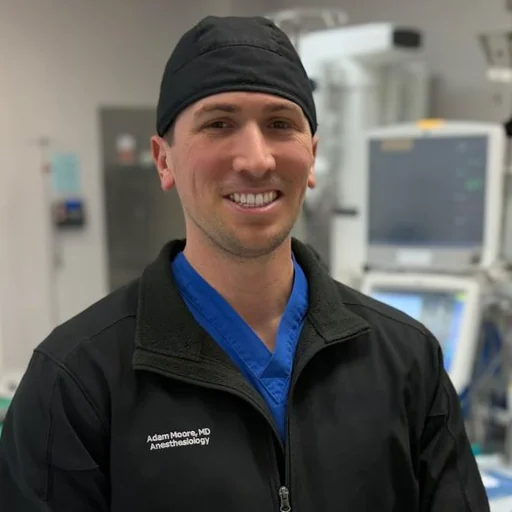
Practicing anesthesiologist with experience across MD-only, medical supervision of CRNAs, and medical direction of CAAs. Founded AnesthesiaJobs.com to help anesthesia professionals find the best job for their personal and professional life.
More about Adam →