Anesthesia Provider Demand by State: Where the Jobs Are in 2026

Key Takeaways
- The U.S. faces a structural anesthesia workforce shortage — HRSA projects a deficit of 10,660 anesthesiologists by 2038, while AANA warns of a 12,500-provider gap by 2033 - Texas, Florida, Ohio, California, and Pennsylvania rank among the top states for anesthesia jobs by state across all three provider types
- CRNAs enjoy 10% projected job growth (BLS, 2023–2033) and independent practice authority in 32+ states
- CAAs are now licensed in ~20 states and represent one of the fastest-growing segments of the anesthesia workforce
- Rural and underserved regions offer the strongest demand — and often the highest compensation premiums
If you’re searching for anesthesia jobs by state, you’re making one of the smartest career moves available in healthcare. Whether you’re a CRNA, anesthesiologist, or CAA, your skills are in extraordinary demand — and the geographic landscape of that demand is shifting fast. Some states are adding positions at record pace, while others face critical shortages that are reshaping how hospitals deliver care.
This guide maps out exactly where the opportunities are in 2026. We’ll break down employment data, demand drivers, and compensation trends for all three anesthesia provider roles — state by state. Whether you’re exploring a relocation, considering locum tenens assignments, or a new graduate planning your first job search, this data will help you identify the markets where your expertise is most valued. For a broader look at market conditions and long-term trends, visit our anesthesiologist job market overview.
The data tells a clear story: anesthesia providers are among the most sought-after professionals in American healthcare, and that demand is only accelerating.
📊 Salary Data Sources & Freshness This guide cites data from multiple sources: the U.S. Bureau of Labor Statistics (BLS, May 2024 — latest government data), ZipRecruiter (2026 advertised salaries), Glassdoor, AMN Healthcare, SalaryDr, and other industry reports. Government salary surveys have a 12–18 month reporting lag. Current advertised salaries on job boards typically reflect real-time market conditions and may be higher. Anesthesia provider compensation has risen steadily over the past five years.
The National Anesthesia Workforce in 2026
Before diving into state-level data, it helps to understand the big picture. The United States employs roughly 124,000 active anesthesia providers across all three roles:
| Provider Type | Active Workforce | BLS Projected Growth | Annual New Graduates |
|---|---|---|---|
| CRNAs | ~67,700 | 10% (2023–2033) | ~2,400/year |
| Anesthesiologists | ~52,300 | 3.2% (2024–2034) | ~1,700 residency slots/year |
| CAAs | ~4,400 | Rapid expansion | Growing (23 accredited programs) |
(Sources: Medicus Healthcare Solutions, 2025; BLS; Stout, 2026; AAAA)
Despite this sizable workforce, the supply-demand gap is widening. According to the Health Resources and Services Administration (HRSA), the U.S. could face a shortage of 10,660 anesthesiologists by 2038. The American Association of Nurse Anesthesiology (AANA) projects the total anesthesia provider shortage could reach 12,500 by 2033 — roughly 22% of the current workforce.
These aren’t abstract projections. The American Society of Anesthesiologists (ASA) reported that nearly 80% of medical facilities experienced an anesthesiologist shortage as of 2022, up from 38% in 2020. That figure has only intensified since. For more on what these projections mean for your career, read our anesthesia job outlook guide.

Anesthesia Jobs by State: Where Demand Is Highest
Top States for Anesthesiologist Employment
The BLS reports that these five states employ the largest number of anesthesiologists (BLS, May 2024):
| Rank | State | Key Demand Drivers |
|---|---|---|
| 1 | California | Largest state population, major academic centers, high surgical volume |
| 2 | Texas | Rapid population growth, ASC expansion, growing metro areas |
| 3 | Florida | Aging retiree population, high surgical demand, locum tenens hotspot |
| 4 | New Jersey | Dense population, proximity to NYC metro, high commercial payer mix |
| 5 | New York | Academic centers, high procedural volume, largest number of active job posts |
Fastest-growing markets: Pennsylvania showed the highest anesthesiologist employment growth from 2019–2023, with a 202% increase in jobs per 1,000 workers. Massachusetts followed closely at 181% growth over the same period (Rivanna Medical, 2024). Both states have added residency positions and expanded ambulatory surgery capacity.
States with the most active job postings: New York leads with 139 anesthesiologist job posts, followed by Florida (104), California (68), Virginia (60), and Ohio (49) (Indeed, 2024). These states consistently offer the highest volume of open positions for anesthesiologists seeking new opportunities.
For a detailed compensation breakdown by state, see our top 10 highest-paying states for anesthesiologists.
Top States for CRNA Employment and Demand
CRNAs are the backbone of anesthesia care in many regions, particularly in community hospitals and rural settings. The BLS reports these states as having the highest CRNA employment levels:
| Rank | State | Notable Factors |
|---|---|---|
| 1 | Texas | Large state, opt-out state, independent practice, ASC growth |
| 2 | Florida | Aging population, high surgical demand, strong locum market |
| 3 | Ohio | Long history of CRNA utilization, strong training programs |
| 4 | Tennessee | Opt-out state, cost-effective CRNA-led models common |
| 5 | Pennsylvania | Major hospital systems, high employment growth, mixed care models |
CRNAs benefit from practicing in all 50 states, with 32 states plus Washington, D.C. now allowing fully independent practice. This scope-of-practice flexibility makes CRNAs extraordinarily mobile — and the states that offer the most autonomy often have the most competitive job markets. To understand how practice authority varies, see our CRNA scope of practice by state guide.
States with the fewest CRNAs per capita — Utah, Hawaii, Nevada, and California — represent particularly strong markets for CRNAs willing to relocate (Medicus Healthcare Solutions, 2025). These states also tend to offer premium compensation to attract providers.
For state-by-state CRNA pay data, explore our top 10 highest-paying states for CRNAs.
Where CAAs Are Practicing and Expanding
Certified Anesthesiologist Assistants (CAAs) represent the fastest-growing segment of the anesthesia workforce in percentage terms. The number of active CAAs has doubled from roughly 2,000 in 2015 to over 4,400 in 2025 (Stout, 2026), and expansion continues as more states authorize CAA practice.
CAAs currently hold licensure or practice authority in approximately 20 states plus Washington, D.C. and Guam. Key CAA practice states include:
- Georgia — One of the largest CAA employers, with Emory and major Atlanta-area systems
- Ohio — Strong CAA utilization alongside CRNAs in team-based models
- Florida — Growing CAA adoption as hospitals expand anesthesia care teams
- Texas — CAAs practice under delegatory physician authority
- Michigan, Pennsylvania, Kansas — Practice permitted under physician delegation
As provider shortages intensify, more states are considering legislation to authorize CAA practice. For a complete overview of where CAAs can practice and the career’s growth trajectory, read our CAA scope of practice guide.
What’s Driving Anesthesia Jobs by State: Five Key Factors
Understanding why certain states have more demand helps you predict where the opportunities will be in the years ahead.
1. The Aging Population Surge
The 65-and-older population is projected to grow 14% by 2030, reaching 71.6 million Americans (Stout, 2026). Older adults undergo more surgical procedures — from joint replacements and cardiac interventions to cancer surgeries — all requiring anesthesia services. States with large retiree populations (Florida, Arizona, the Carolinas) are seeing disproportionate demand growth for anesthesia providers.
2. Ambulatory Surgery Center (ASC) Expansion
The U.S. now has approximately 11,500 ambulatory surgery centers, reflecting 15% growth over the past decade (Stout, 2026). Each new ASC requires dedicated anesthesia coverage. Unlike large hospital OR platforms where providers can rotate between rooms, ASCs typically require a dedicated anesthesia provider per room — creating a multiplier effect on demand. States leading ASC growth include Texas, Florida, and California.
3. Non-Operating Room Anesthesia (NORA)
NORA procedures — including anesthesia for endoscopy, interventional radiology, cardiac catheterization, and electrophysiology — have more than doubled over the past two decades and now represent up to half of anesthetic workload at some hospitals (Stout, 2026). This expansion requires more providers at more sites, even when traditional OR volumes remain stable.
4. Workforce Retirements
The anesthesia workforce faces a significant retirement wave: - 57% of active anesthesiologists are age 55 or older (Stout, 2026) - 30% of anesthesiologists are projected to exit clinical practice by 2033 - 49.2% of CRNAs are aged 50 or older - 12% of the CRNA workforce is expected to retire by 2027 (~8,000 total)
States with an older provider base — many in the Southeast and Midwest — will see the most acute demand as retirements accelerate faster than training programs can replace them.
5. Scope-of-Practice Legislation
States that allow CRNAs to practice independently (“opt-out” states) can staff anesthesia services more flexibly, often leading to higher CRNA demand in those regions. Meanwhile, states expanding CAA licensure are opening new avenues for team-based anesthesia models. The legislative landscape directly shapes where providers are needed most and what staffing models hospitals adopt.
Anesthesia Jobs by State: Compensation and the Demand Connection
High demand doesn’t just mean more open positions — it means stronger compensation. Here’s how current salaries look across the three roles nationally, with state-level variation often running 15–30% above or below these benchmarks.
CRNA Compensation Overview
| Metric | Amount | Source |
|---|---|---|
| BLS Median | $223,210/yr | BLS, May 2024 |
| BLS Mean | $231,700/yr | BLS, May 2024 |
| Advertised Average | $260,000/yr | ZipRecruiter, 2026 |
| Top Earners (90th pct) | $394,500/yr | ZipRecruiter, 2026 |
| Market Hourly Rate | ~$200/hr | Permanent, 2026 |
| Locum Tenens Rate | $200–$325+/hr | 2026 |
| Locum Annual Gross | $400,000–$550,000+ | 2026 |
| Starting Salary | $220,000–$260,000 | 2026 |
| Top-Paying State | Massachusetts ($292,390) | BLS, 2024 |
CRNA compensation has been rising faster than that of anesthesiologists in percentage terms. Survey data shows median CRNA total compensation grew at a 5.5% compound annual growth rate over the past five years, with year-over-year increases of 7.3% and 9.7% in the most recent survey periods (Stout, 2026). States with independent practice authority and acute shortages — particularly in the rural Midwest and Mountain West — routinely offer premiums well above the national average.
Anesthesiologist Compensation Overview
| Metric | Amount | Source |
|---|---|---|
| BLS Mean Base | $336,640/yr | BLS, 2024 |
| Total Comp Median | $535,000/yr | SalaryDr, 2026 |
| Total Comp Average | $569,729/yr | SalaryDr, 2026 |
| Advertised Average | $393,215/yr | ZipRecruiter, 2026 |
| Starting Salary | ~$377,000+ | AMN Healthcare, 2025 |
| Locum Tenens Rate | $300–$450/hr | 2026 |
| Locum Annual Gross | $600,000–$900,000+ | 2026 |
Anesthesiologist total compensation has climbed at a 3.2% compound annual growth rate over the past five years, with median compensation reaching $551,000 in the most recent national survey data (Stout, 2026). Rural and frontier states offer the highest individual compensation premiums for anesthesiologists willing to take positions in shortage areas.
CAA Compensation Overview
| Metric | Amount | Source |
|---|---|---|
| National Average | $247,000–$253,000 | Becker’s/Marit Health, 2026 |
| AAAA Survey Range | $158,000–$240,000 | AAAA, 2025 |
| Glassdoor Average | ~$291,000 | Glassdoor, 2026 |
| Top Earners (90th pct) | $333,500 | ZipRecruiter, 2026 |
| Ceiling | Up to $350,000 | BagMask, Q1 2026 |
| Cardiac Premium | $264,000–$328,000 | Emory |
| Market Hourly Rate | $200–$275/hr | Permanent, 2026 |
| New Grad Starting | $200,000–$250,000 | 2026 |
CAA compensation is competitive with CRNA pay in many markets, and the profession’s rapid growth means more positions are opening each year. States with established CAA workforces — particularly Georgia and Ohio — offer the strongest job markets for new and experienced CAAs alike.
The Locum Tenens Factor: High-Demand States for Travel Assignments
Locum tenens work is one of the clearest indicators of where demand outstrips supply. Over 8,000 anesthesia providers (including anesthesiologists, CRNAs, and CAAs) currently work locums assignments (Medicus Healthcare Solutions, 2025), and anesthesia is consistently among the most-searched locum tenens specialties.
Top States for Locum Tenens Anesthesia Demand (2025)
| Anesthesiologist Locums | CRNA Locums |
|---|---|
| Florida | Rural Midwest (Iowa, Nebraska, Kansas) |
| North Carolina | Southeast (Tennessee, North Carolina) |
| Iowa | Mountain West (Montana, Wyoming) |
| Georgia | Texas |
| Pennsylvania | Florida |
(Sources: Wellhart, 2025; Medicus Healthcare Solutions, 2025)
Locum tenens providers earn significant premiums — CRNAs can gross $400,000–$550,000+ annually, while anesthesiologists can reach $600,000–$900,000+ in gross annual earnings. These rates reflect the urgency with which hospitals and ASCs need coverage.
For providers interested in exploring the locum tenens pathway, see our guides on rural anesthesia jobs and locum tenens opportunities across the country.

State-Level Demand Snapshot: Regions to Watch in 2026
Southeast
Florida, Georgia, North Carolina, South Carolina, and Tennessee represent some of the most active anesthesia job markets in the country. A combination of population growth, aging demographics, expanding ASC networks, and CRNA-friendly practice environments fuels consistently high demand. Florida and North Carolina are particularly strong for locum tenens assignments.
Midwest
Ohio, Pennsylvania, Michigan, Indiana, and Iowa have deep CRNA utilization histories and strong training programs. Many Midwest states are “opt-out” states with independent CRNA practice, making them attractive for providers who value autonomy. Rural areas throughout the region face acute shortages and offer compensation premiums.
Southwest and Mountain West
Texas, Arizona, and the Mountain West states (Montana, Wyoming, Idaho, New Mexico) are experiencing rapid population growth that’s outpacing anesthesia provider supply. Texas is a powerhouse for both CRNA and anesthesiologist demand, while the smaller Mountain West states offer some of the highest per-provider compensation in the country due to scarcity.
Northeast
New York, New Jersey, Massachusetts, and Connecticut maintain high anesthesiologist employment driven by dense populations, major academic medical centers, and complex case mix. These states tend to pay well — Massachusetts is the top-paying state for CRNAs at $292,390 (BLS, 2024) — but also carry a higher cost of living.
West Coast
California leads the nation in total anesthesiologist employment (5,380 providers), but it’s also one of the states with the fewest CRNAs per capita (Medicus, 2025). This creates a unique opportunity for CRNAs willing to practice in California, where demand is high and competition from other CRNAs is comparatively low.
How to Find the Best Anesthesia Jobs by State
Finding the right position in the right market requires a strategic approach:
Identify your practice priorities: Independent practice? Team-based model? Urban academic center or rural community hospital? Your practice preferences will narrow your state shortlist.
Evaluate scope-of-practice laws: If you’re a CRNA, independent practice states may offer more autonomy and potentially higher pay. If you’re a CAA, verify that your target state permits CAA practice.
Factor in total compensation: Base salary is only part of the equation. Consider sign-on bonuses, relocation packages, student loan repayment, call pay, and benefits. States with acute shortages often offer the most generous total packages.
Consider locum tenens first: Taking a locum assignment in a new state lets you test the market before committing. It’s an excellent way to explore rural anesthesia jobs or new regions without a permanent move.
Monitor the market regularly: The anesthesia job market shifts quickly. Bookmark AnesthesiaJobs.com to track the latest openings in your target states.
Related Reading
- Top 10 Highest-Paying States for CRNAs
- Top 10 Highest-Paying States for Anesthesiologists
- Anesthesia Job Outlook: What the Data Says
- CRNA Scope of Practice by State
- CAA Scope of Practice Guide
- Rural Anesthesia Jobs: Opportunities and Compensation
Ready to find your next anesthesia position? Browse open roles in every state.
Browse Anesthesiologist Jobs →
Explore the Anesthesiologist Job Market →
Frequently Asked Questions
Which states have the highest demand for anesthesia providers in 2026?
Texas, Florida, California, New York, Ohio, and Pennsylvania consistently rank among the states with the highest demand for anesthesia providers — including CRNAs, anesthesiologists, and CAAs. Florida and North Carolina are particularly strong markets for locum tenens assignments, while rural states in the Midwest and Mountain West often have the most acute per-capita shortages. Demand patterns vary by provider type: CRNAs are most heavily employed in Texas, Florida, and Ohio, while California leads in total anesthesiologist employment.
Is there really an anesthesia provider shortage?
Yes. The shortage is well-documented and structural. HRSA projects a deficit of 10,660 anesthesiologists by 2038, and the AANA warns of a total anesthesia provider shortage of ~12,500 by 2033. The American Society of Anesthesiologists reported that nearly 80% of medical facilities experienced an anesthesiologist shortage as of 2022. The shortage is driven by an aging provider workforce, limited training capacity, expanding surgical volume, and ASC growth.
How much do anesthesia providers earn in high-demand states?
Compensation varies by role and location. CRNAs earn a median of $223,210 nationally (BLS, May 2024), with advertised salaries averaging $260,000 (ZipRecruiter, 2026) and top-paying states like Massachusetts reaching $292,390. Anesthesiologists earn a BLS mean base of $336,640, with total compensation reaching a median of $535,000 (SalaryDr, 2026). CAAs earn a national average of $247,000–$253,000 (Becker’s/Marit Health, 2026). High-demand states — especially rural areas and regions with acute shortages — often pay 15–30% above national averages.
What states allow CRNAs to practice independently?
As of 2026, 32 states plus Washington, D.C. allow CRNAs to practice independently under opt-out provisions from the federal supervision requirement. These states enable hospitals and ASCs to deploy CRNA-only or CRNA-led care models, which often leads to higher CRNA demand and competitive compensation. For a full list, see our CRNA scope of practice by state guide.
Where can CAAs practice in 2026?
CAAs currently hold licensure or practice authority in approximately 20 states plus Washington, D.C. and Guam. Major CAA practice states include Georgia, Ohio, Florida, Texas, Michigan, Pennsylvania, and Kansas. CAAs must practice under the direct supervision of a physician anesthesiologist as part of an Anesthesia Care Team (ACT) model. As workforce shortages intensify, additional states are considering legislation to authorize CAA practice. Learn more in our CAA scope of practice guide.
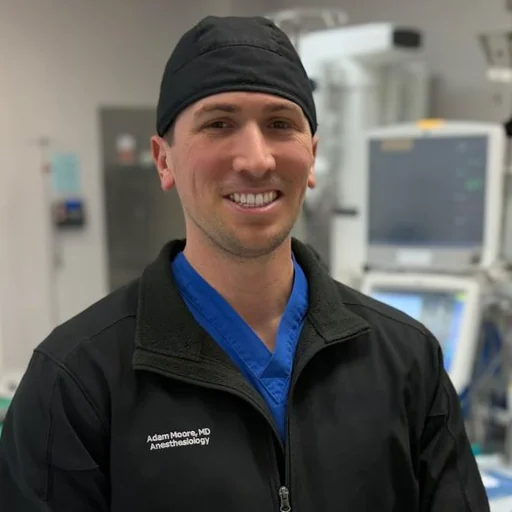
Practicing anesthesiologist with experience across MD-only, medical supervision of CRNAs, and medical direction of CAAs. Founded AnesthesiaJobs.com to help anesthesia professionals find the best job for their personal and professional life.
More about Adam →