Anesthesiologist Shortage 2026: What Job Seekers Should Know

Key Takeaways
- The U.S. faces a projected anesthesiologist shortage of 6,300–8,450 physicians by the mid-2030s (Medicus, 2025; HRSA, 2037 projection) - 78% of healthcare facilities reported anesthesia staffing shortages by 2023 — more than double the 35% pre-pandemic baseline (ASA/Becker’s, 2024) - 56.9% of practicing anesthesiologists are age 55 or older, accelerating the supply gap (Medicus, 2025)
- BLS mean base salary stands at $336,640 (BLS, 2024), with total compensation reaching a $535,000 median (SalaryDr, 2026) — and shortage-driven leverage continues to push offers higher
- For job seekers, the anesthesiologist shortage translates directly into more openings, stronger compensation packages, and greater negotiating power
If you’re an anesthesiologist — or on the path to becoming one — the anesthesiologist shortage reshaping U.S. healthcare is one of the most consequential workforce trends of the decade. What does a national supply crisis look like from the job seeker’s side of the table? It looks like opportunity: more positions, better pay, signing bonuses, flexible scheduling, and employers competing for your talent.
This guide breaks down the latest shortage data, explains the forces driving the gap, and shows you exactly how to leverage current market conditions in your job search. For a broader look at the market landscape, visit our Anesthesiologist Job Market hub.
The bottom line: anesthesiologists are in extraordinary demand, and the supply pipeline cannot keep pace. If you’re looking for your next position, the market is firmly in your favor.
📊 Salary Data Sources & Freshness This guide cites data from multiple sources: the U.S. Bureau of Labor Statistics (BLS, May 2024 — latest government data), ZipRecruiter (2026 advertised salaries), Glassdoor, AMN Healthcare, SalaryDr, and other industry reports. Government salary surveys have a 12–18 month reporting lag. Current advertised salaries on job boards typically reflect real-time market conditions and may be higher. Anesthesia provider compensation has risen steadily over the past five years.
How Severe Is the Anesthesiologist Shortage?
The numbers paint a clear picture: the United States does not have enough anesthesiologists to meet current demand, and the gap is widening.
Current Shortage Projections
Multiple independent workforce analyses converge on the same conclusion — the anesthesiologist shortage will deepen significantly over the next decade:
| Source | Projected Shortage | Timeline |
|---|---|---|
| HRSA (Health Resources & Services Administration) | ~8,450 anesthesiologists | By 2037 |
| Medicus Healthcare Solutions (2025 white paper) | ~6,300 anesthesiologists | By 2036 |
| AAMC (Association of American Medical Colleges) | 8,000–12,000 anesthesiologists | By the mid-2030s |
These aren’t speculative forecasts — they’re grounded in current training capacity, retirement rates, and surgical demand growth. The AAMC estimate suggests the shortfall could reach 20–30% of the current workforce by the mid-2030s (ASA Monitor, 2026).
The Facility Perspective
From the hospital and ambulatory surgery center (ASC) side, the shortage is already acute:
- 78% of healthcare facilities reported an anesthesia staffing shortage by 2023 — up from just 35% before the COVID-19 pandemic (ASA/Becker’s, 2024)
- ASCs have been forced to offer unsustainable financial incentives to attract coverage (LUGPA, 2025)
- Rural and underserved facilities face the steepest access gaps, with some postponing elective surgeries due to provider availability
For job seekers, this facility-level pressure is the direct engine behind today’s aggressive recruiting landscape.

What’s Driving the Anesthesiologist Shortage?
The shortage isn’t caused by a single factor — it’s the convergence of several powerful forces happening simultaneously.
An Aging Workforce
The demographics of the anesthesiologist workforce are striking:
- 56.9% of practicing anesthesiologists are age 55 or older (Medicus, 2025)
- More than 17% are nearing retirement
- The average age of practicing anesthesiologists was 52.6 in 2020, and that figure has only risen
This means that over the next 10–15 years, a significant portion of the current workforce will exit clinical practice — retirements that cannot be replaced by new graduates alone.
A Training Pipeline Bottleneck
The path to becoming an anesthesiologist takes 12+ years of education and training (learn more in our guide to becoming an anesthesiologist). Even when interest is high, the residency pipeline limits output:
- In the 2025 Match, over 3,000 students applied for just 1,805 anesthesiology residency positions — leaving roughly 40% of applicants unmatched (NRMP, 2025)
- Expanding residency slots takes a minimum of two years and significant institutional investment
- Graduating a new anesthesiologist from medical school through residency takes 8 years minimum — there is no shortcut
The system simply cannot produce anesthesiologists fast enough to replace those retiring and meet growing demand.
Rising Surgical Demand
Demand for anesthesia services continues to accelerate:
- Surgical volume is projected to rise 2–3% per year over the next decade, driven by population growth, an aging population requiring more procedures, and advances in surgical capabilities (ScienceDirect, 2024)
- The 65-and-older population — the demographic with the highest surgical utilization — is the fastest-growing age group in the U.S.
- Expanding indications for outpatient and minimally invasive procedures add to total case volume
Burnout and Early Attrition
Beyond retirement, active attrition is compounding the shortage:
- 40.6% of anesthesiologists plan to leave their current roles within two years (Becker’s, 2025)
- 56% of CRNAs report feeling very or somewhat burned out (Becker’s, 2025)
- Declining reimbursement — a 5.5% drop between 2019 and 2023 — adds financial pressure on top of clinical demands (Becker’s, 2025)
While these are challenges the profession must address systemically, for individual job seekers they reinforce one key message: your skills are scarce and valuable.
What the Anesthesiologist Shortage Means for Compensation
When demand exceeds supply, compensation rises. That’s precisely what’s happening across the anesthesiologist job market.
Current Compensation Benchmarks
| Compensation Metric | Figure | Source |
|---|---|---|
| BLS Mean Base Salary | $336,640/yr | BLS, May 2024 |
| Total Compensation Median | $535,000 | SalaryDr, 2026 |
| Total Compensation Average | $569,729 | SalaryDr, 2026 |
| Advertised Average Salary | $393,215 | ZipRecruiter, 2026 |
| Starting Salary (New Attendings) | ~$377,000+ | AMN Healthcare, 2025 |
| Locum Tenens Hourly Rate | $300–$450/hr | Market data, 2026 |
| Locum Tenens Annual Gross | $600,000–$900,000+ | Market data, 2026 |
These figures already reflect shortage-driven premiums — and they continue trending upward. For a comprehensive breakdown, see our full anesthesiologist salary guide.
How the Shortage Is Pushing Pay Higher
Hospitals and health systems competing for a shrinking talent pool are deploying increasingly generous compensation packages:
- Signing bonuses of $50,000–$100,000+ have become standard in competitive markets
- Loan repayment assistance of $100,000+ targets early-career anesthesiologists carrying educational debt
- Relocation stipends, guaranteed minimum income, and retention bonuses sweeten offers further
- Production-based models reward high-volume providers with total compensation well above $600,000
- Locum tenens rates have surged, with experienced anesthesiologists commanding $300–$450 per hour — translating to $600,000–$900,000+ in annualized gross income
In this environment, the first offer you receive is rarely the best one available. Strategic job seekers who understand market conditions can negotiate significantly better terms.
Where the Anesthesiologist Shortage Is Most Acute
The shortage doesn’t hit every region equally. Understanding geographic hotspots helps you target the positions with the strongest demand — and the most competitive offers.
Rural and Underserved Areas
Rural communities face the steepest anesthesiologist shortage challenges:
- 80% of rural anesthesia providers are CRNAs (Becker’s, 2025), meaning physician anesthesiologist coverage in rural areas is especially thin
- Rural facilities report the highest vacancy rates and the longest time-to-fill for anesthesiology positions
- Many rural hospitals have been forced to curtail surgical services due to anesthesia coverage gaps
For anesthesiologists willing to practice in rural settings, the financial incentives are often exceptional — including premium salaries, loan forgiveness, and quality-of-life benefits like lower cost of living and reduced call burdens.
States With the Highest Demand
While the shortage is national, certain states face particularly acute gaps due to rapid population growth, limited training programs, or high retirement rates among current providers:
| Demand Factor | High-Demand States |
|---|---|
| Fast population growth | Texas, Florida, Arizona, Nevada, North Carolina |
| Large rural footprint | Montana, Wyoming, Alaska, Mississippi, West Virginia |
| Aging provider workforce | Northeast and Midwest states |
| Expanding surgical capacity | Sun Belt metros (Phoenix, Dallas, Charlotte, Orlando) |
For a detailed look at demand patterns across the country, see our anesthesia provider demand by state analysis.
Academic vs. Community Settings
Both academic medical centers and community hospitals face staffing pressure, but the dynamics differ:
- Academic centers compete on prestige, research opportunities, and subspecialty access — but typically offer lower base compensation (~$450,000 total comp median)
- Community hospitals and private groups are leading the compensation race, with total packages often exceeding $500,000–$700,000+
- ASCs (ambulatory surgery centers) are a fast-growing market segment with increasing anesthesiologist demand and attractive lifestyle benefits
How to Leverage the Shortage in Your Job Search
Understanding the anesthesiologist shortage isn’t just academic — it’s a practical advantage. Here’s how to translate market conditions into better career outcomes.
1. Know Your Market Value
Before evaluating any offer, benchmark your expected compensation:
- New attendings should expect starting offers of ~$377,000+ (AMN Healthcare, 2025), with total compensation packages often reaching $400,000–$500,000+ in high-demand markets
- Experienced anesthesiologists (5+ years) in community practice regularly earn $535,000+ in total compensation (SalaryDr, 2026)
- Subspecialty training (cardiac, pediatric, pain, critical care) commands additional premiums — often 10–20% above general anesthesiology rates
If an offer falls significantly below these benchmarks, the market supports asking for more.
2. Negotiate Beyond Base Salary
In a shortage market, employers have flexibility on the full package:
- Signing bonuses: $50,000–$100,000+ is negotiable in competitive markets
- Loan repayment: Many employers will contribute $50,000–$200,000 toward educational debt
- Schedule flexibility: Reduced call, four-day weeks, or no weekends are increasingly available
- Partnership tracks: Accelerated partnership timelines are a differentiator in private practice
- Relocation support: $10,000–$30,000+ for moving expenses
- CME and professional development: $5,000–$15,000+ annually
For detailed negotiation strategies, our anesthesiologist interview guide covers what to expect and how to position yourself.
3. Consider Locum Tenens Strategically
The shortage has made locum tenens work an especially powerful option for anesthesiologists:
- Hourly rates of $300–$450 translate to annual gross earnings of $600,000–$900,000+
- Locum assignments let you test different practice settings, geographic regions, and care models before committing long-term
- Travel, housing, and malpractice insurance are typically provided
- Many anesthesiologists use locum work to accelerate debt repayment or build savings before transitioning to a permanent role
Locum tenens is no longer a “backup plan” — it’s a strategic career move that many anesthesiologists use at every career stage.
4. Target High-Demand Geographies
If you have geographic flexibility, targeting areas with the deepest shortages can multiply your leverage:
- Rural and critical access hospitals often offer the highest total compensation and the most generous incentive packages
- Fast-growing Sun Belt metros are adding surgical capacity faster than they can recruit providers
- States with fewer training programs (relative to population) tend to have the most persistent gaps
5. Evaluate the Full Opportunity
In a market this favorable, you can afford to be selective about factors beyond compensation:
- Practice model: Solo vs. team-based, supervision ratios, autonomy level
- Call schedule: Frequency, in-house vs. home call, post-call days off
- Case mix: General vs. subspecialty, trauma level, complexity
- Culture and leadership: Departmental stability, quality metrics, support staff
- Growth trajectory: Whether the organization is expanding or contracting
The Broader Anesthesia Workforce Picture
The anesthesiologist shortage exists alongside similar supply pressures affecting CRNAs and CAAs. Understanding the full picture helps you anticipate how the care team model may evolve.
All Three Roles Face Demand
| Role | Key Shortage Indicator |
|---|---|
| Anesthesiologists | 6,300–8,450 projected shortage by mid-2030s |
| CRNAs | Projected shortage of ~12,500 by 2033 (~22% of workforce); 12% plan to retire by 2027 |
| CAAs | Limited to ~20 practice states; growing demand where authorized |
The simultaneous shortage across all anesthesia provider types means facilities cannot simply substitute one role for another to fill gaps. This drives demand — and compensation — upward for all three roles.
For insights into how this dynamic shapes the broader anesthesia job outlook, see our dedicated analysis.
The Team-Based Care Model
As the shortage deepens, health systems are increasingly adopting team-based anesthesia care models that leverage all three provider types. For anesthesiologists, this evolution creates new leadership opportunities:
- Medical direction of anesthesia care teams positions physicians as clinical leaders overseeing multiple simultaneous cases
- Quality and safety leadership roles draw on the anesthesiologist’s depth of training
- Administrative and departmental leadership positions offer career paths beyond direct clinical care
Rather than viewing team-based models as a constraint, forward-looking anesthesiologists recognize them as a pathway to higher-impact, higher-compensation roles.
What’s Being Done to Address the Shortage
While the anesthesiologist shortage will persist for years, multiple initiatives are underway to ease the pressure:
Expanding Training Capacity
- Advocacy for additional GME-funded residency slots continues at the federal level
- New anesthesiology residency programs are launching, though expansion takes years to yield practicing physicians
- The 2025 Match saw over 3,000 applicants for 1,805 positions — the interest is there; the bottleneck is capacity
Reentry and Remediation Programs
- Programs like the Anesthesiology Remediation and Reentry Program (ARRP) help board-trained anesthesiologists who left clinical practice return to full-scope work through structured, supervised pathways (THA, 2026)
- These programs recapture trained talent already in the pipeline — a faster solution than training from scratch
Practice Authority Expansion
- Several states have expanded CRNA and CAA practice authority to improve access, particularly in rural areas
- These changes are designed to complement — not replace — the anesthesiologist workforce
Technology and Efficiency
- Enhanced monitoring technology, AI-assisted decision support, and streamlined OR workflows aim to make existing providers more productive
- Telemedicine pre-operative assessments reduce non-clinical time burdens
For job seekers, the key takeaway is that these measures will take years to meaningfully close the gap. The favorable market conditions you see today are not a short-term blip — they represent a structural shift that will persist well into the 2030s.
Building a Long-Term Career Strategy
The anesthesiologist shortage isn’t just about finding your next job — it’s about building a career in an environment of sustained demand. Consider these long-term strategies:
Subspecialize Strategically
Fellowships in cardiac anesthesiology, pediatric anesthesiology, pain medicine, or critical care can further differentiate you in a market that already favors anesthesiologists. Subspecialists often command 10–20% salary premiums and enjoy the most selective choice of practice settings.
Build Geographic Optionality
Maintaining licensure in multiple states gives you access to the broadest range of opportunities. As different regions experience shortage peaks at different times, geographic flexibility is a career accelerator.
Develop Leadership Skills
As care teams grow and evolve, anesthesiologists with strong leadership, communication, and operational skills will be positioned for the highest-impact — and highest-compensated — roles. Chief of anesthesia, medical director, and quality officer positions carry significant additional compensation.
Stay Connected to the Market
Even if you’re happy in your current role, tracking the anesthesiologist job market ensures you know your value and can act on exceptional opportunities when they arise.
Related Reading
- Locum Tenens Guide for Anesthesiologists
- Anesthesia Job Outlook: 2026 and Beyond
- Anesthesia Provider Demand by State
- Rural Anesthesia Jobs: Opportunities and Incentives
- How Much Do Anesthesiologists Make? 2026 Salary Breakdown
Ready to explore what the anesthesiologist shortage means for your next opportunity?
Browse Anesthesiologist Jobs on AnesthesiaJobs.com →
Frequently Asked Questions
How bad is the anesthesiologist shortage in 2026?
The anesthesiologist shortage is significant and growing. By 2023, 78% of healthcare facilities reported anesthesia staffing shortages — more than double the pre-pandemic rate of 35% (ASA/Becker’s, 2024). Workforce projections estimate a shortfall of 6,300–8,450 anesthesiologists by the mid-2030s (Medicus, 2025; HRSA, 2037 projection), with the AAMC estimating the gap could reach 8,000–12,000 — roughly 20–30% of the current workforce.
How does the anesthesiologist shortage affect salaries?
The shortage is a primary driver of rising anesthesiologist compensation. BLS mean base salary stands at $336,640 (BLS, May 2024), while total compensation reaches a median of $535,000 (SalaryDr, 2026). New attendings are starting at ~$377,000+ (AMN Healthcare, 2025), with many receiving signing bonuses of $50,000–$100,000+, loan repayment assistance, and other incentives. Locum tenens anesthesiologists earn $300–$450 per hour, translating to $600,000–$900,000+ in annualized gross income.
Where is the anesthesiologist shortage the worst?
Rural and underserved areas face the most acute gaps, with some facilities unable to maintain consistent anesthesia coverage. Fast-growing Sun Belt states (Texas, Florida, Arizona, North Carolina) also face intense demand as surgical capacity expands faster than the workforce. States with limited local training programs relative to their population tend to have the most persistent shortages.
Will the anesthesiologist shortage get better soon?
Not in the near term. The training pipeline takes 12+ years to produce a new anesthesiologist, and residency expansion is slow — the 2025 Match left roughly 40% of anesthesiology applicants unmatched due to limited positions. With 56.9% of practicing anesthesiologists age 55 or older, retirements will accelerate over the next decade. Most workforce analysts expect the shortage to persist through the 2030s, making this a sustained period of strong demand for anesthesiologists.
How can job-seeking anesthesiologists benefit from the shortage?
The shortage gives anesthesiologists significant leverage in the job market. You can negotiate higher base salaries, signing bonuses, loan repayment, flexible schedules, and accelerated partnership tracks. Locum tenens work offers $300–$450/hr rates for those seeking maximum compensation. Targeting high-demand geographies — particularly rural areas and fast-growing metros — can yield the most competitive offers. Browse current opportunities on AnesthesiaJobs.com to see what’s available.
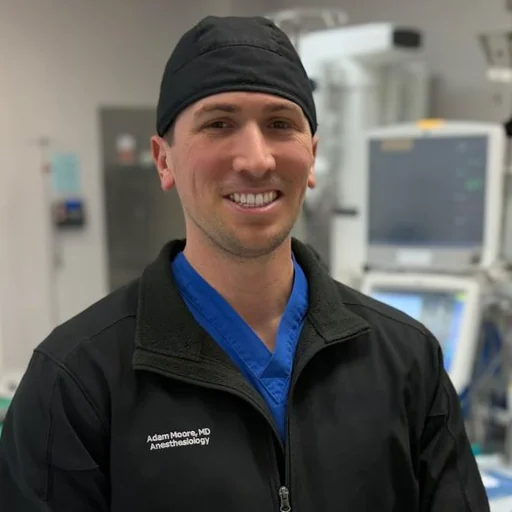
Practicing anesthesiologist with experience across MD-only, medical supervision of CRNAs, and medical direction of CAAs. Founded AnesthesiaJobs.com to help anesthesia professionals find the best job for their personal and professional life.
More about Adam →