Locum Tenens for Anesthesiologists: Complete Guide
Key Takeaways
- Locum tenens anesthesiologists earn $300–$450+/hr in 2026, up from $275–$325/hr in 2024
- Daily rates range from $2,500 to $4,500+ depending on setting and complexity
- Annual gross income potential: $600,000–$900,000+
- Locum work is ideal for supplemental income, career transitions, geographic exploration, and semi-retirement
- High demand driven by the ongoing national anesthesiologist shortage
The landscape of anesthesiology practice is shifting, and locum tenens work for anesthesiologists has become one of the most compelling career options available in 2026. Whether you're an early-career physician looking for geographic flexibility, a mid-career anesthesiologist seeking supplemental income, or a seasoned practitioner easing into semi-retirement, locum tenens positions offer exceptional compensation and unprecedented control over your schedule. With rates climbing to $300–$450+ per hour — and an ongoing national shortage fueling demand — this is the definitive guide to understanding, evaluating, and launching a locum tenens career in anesthesiology.
Why Anesthesiologists Choose Locum Tenens
📊 Salary Data Sources & Freshness This guide cites data from multiple sources: the U.S. Bureau of Labor Statistics (BLS, May 2024 — latest government data), ZipRecruiter (2026 advertised salaries), Glassdoor, AMN Healthcare, SalaryDr, and other industry reports. Government salary surveys have a 12–18 month reporting lag. Current advertised salaries on job boards typically reflect real-time market conditions and may be higher. Anesthesia provider compensation has risen steadily over the past five years.
Locum tenens — Latin for "to hold the place of" — has evolved from a niche staffing solution into a mainstream career path for physicians across every specialty. For anesthesiologists specifically, the appeal centers on several powerful motivators:
Financial Optimization
The earning potential is hard to ignore. With hourly rates reaching $300–$450+ and daily rates of $2,500–$4,500+, locum anesthesiologists can significantly out-earn their permanently employed peers on a per-hour basis. This is particularly valuable during high-earning years when maximizing income accelerates wealth-building and retirement savings.
Schedule Autonomy
Unlike a traditional employed position where your schedule is determined by the department, locum work lets you choose when, where, and how much you work. Take a month off between assignments, work only during the school year, or structure your calendar around personal priorities.
Career Transitions
Locum tenens provides a financial bridge during career transitions — moving between practices, relocating to a new state, transitioning out of academic medicine, or exploring different practice environments before committing to a permanent role.
Semi-Retirement & Part-Time Work
Many anesthesiologists discover locum tenens as they approach the later stages of their career. Instead of an abrupt retirement, locum work allows you to scale down gradually — working a few assignments per year while maintaining clinical skills, professional identity, and a meaningful income stream.
Geographic Exploration
Curious about living on the West Coast? Wondering what rural practice feels like? Locum assignments let you spend extended time in different regions without a permanent commitment. Explore anesthesiologist jobs across the country to see what's available.
Pay Rates & Trends in 2026
Locum tenens compensation for anesthesiologists has risen sharply over the past two years, driven by workforce shortages and increasing demand.
Current Rate Ranges
| Metric | 2024 Range | 2026 Range | Trend |
|---|---|---|---|
| Hourly rate | $275–$325/hr | $300–$450+/hr | ↑ Strong growth |
| Daily rate | $2,200–$3,250 | $2,500–$4,500+ | ↑ Significant increase |
| Annual gross (full-time) | $500,000–$650,000 | $600,000–$900,000+ | ↑ Record highs |
Sources: Industry staffing data, 2024–2026. Permanent anesthesiologist comparison: $336,640 mean base salary (BLS, 2024), $535,000 median total comp (SalaryDr, 2026), $393,215 average advertised (ZipRecruiter, 2026). Locum rates from Marit Health report ~$350/hr in California (2026).
For comparison, permanently employed anesthesiologists earn a BLS mean base salary of $336,640 (May 2024) — though this significantly underreports total compensation, which typically includes production bonuses, call pay, and benefits. Industry data shows median total compensation of $535,000 (SalaryDr, 2026, 176 verified reports), with starting salaries around $377,000 (AMN Healthcare, 2025) and job board averages of $393,215 (ZipRecruiter, 2026). Locum anesthesiologists can match or exceed these figures while working fewer total days per year.
What's Driving the Rate Increases?
- Anesthesiologist shortage: The aging physician workforce and limited residency slots have created supply constraints nationwide (Source: AAMC Physician Workforce Projections)
- Surgical volume growth: Outpatient procedures and ambulatory surgery center expansion have increased demand for anesthesia coverage
- Post-pandemic facility dynamics: Many hospitals are rebuilding surgical programs and need interim coverage
- Competitive market: Facilities compete aggressively for locum anesthesiologists, bidding up rates
For context on how these locum rates compare with permanent compensation, see our anesthesiologist salary guide and our analysis of top-paying states for anesthesiologists.
Income Scenarios
| Work Pattern | Days/Year | Daily Rate | Annual Gross |
|---|---|---|---|
| Full-time locum | 240 | $3,000 | $720,000 |
| Three-quarter time | 180 | $3,000 | $540,000 |
| Half-time / semi-retirement | 120 | $3,200 | $384,000 |
| Supplemental (evenings/weekends) | 60 | $3,500 | $210,000 |
Even working half-time, a locum anesthesiologist can earn a substantial income — making it an attractive model for physicians at every career stage.
How to Get Started
Transitioning from a permanent position to locum work requires some upfront preparation, but the process is straightforward.
Step 1: Assess Your Readiness
Ask yourself:
- Am I comfortable adapting to new clinical environments quickly?
- Do I have (or can I obtain) licenses in multiple states?
- Am I prepared to manage my own taxes, benefits, and retirement?
- Does the travel component work for my personal situation?
Step 2: Prepare Your Documents
Gather and organize:
- Updated CV — emphasize case volume, subspecialty experience, and clinical settings
- Board certifications — ABA diplomate status, MOCA 2.0 participation
- Medical licenses — consider applying for IMLC (Interstate Medical Licensure Compact) to streamline multi-state licensing
- DEA registrations — current and any state-specific CSR certificates
- References — 3–5 professional references from recent colleagues and department chairs
- Malpractice history — claims history letter from your current carrier
- Immunization records and TB testing — current documentation
Step 3: Choose Your Business Structure
Most locum anesthesiologists work as 1099 independent contractors. Consult with a healthcare-focused CPA about:
- LLC formation — liability protection and tax flexibility
- S-Corp election — potential self-employment tax savings above certain income thresholds
- Solo 401(k) — employer + employee contributions up to $69,000/year (2025 limit; $76,500 if 50+)
- Quarterly estimated tax payments — essential to avoid IRS penalties
Step 4: Partner with Agencies
Sign up with 2–4 reputable staffing agencies that specialize in anesthesia placements:
- LocumTenens.com — the largest locum-specific platform with dedicated anesthesiology recruiters
- CompHealth — part of CHG Healthcare, a major player in physician locum placements
- AMN Healthcare — massive facility network and strong anesthesiology division
- Weatherby Healthcare — premium service and high-quality assignments
- Jackson + Coker — well-established with a strong physician focus
For detailed agency reviews, visit our guide to the best locum tenens agencies for anesthesia providers.
Step 5: Select Your First Assignment
Work with your recruiter to find an assignment that matches your:
- Geographic preference — proximity to home, desirable location, or new region to explore
- Practice setting — hospital OR, ambulatory surgery center, academic medical center, rural facility
- Case complexity — general anesthesia, cardiac, neuro, pediatric, OB, or a mix
- Schedule requirements — no call, limited call, weekdays only, or full availability
- Duration — short stints (1–4 weeks) to test the waters or longer (8–26 weeks) for stability
The Credentialing Process
Credentialing is the most time-consuming part of getting started — but once you've assembled your documents, subsequent assignments credential much faster.
What to Expect
- Timeline: 30–90 days from document submission to first shift
- Hospital privileging: Each facility grants temporary privileges based on your credentials
- Primary source verification: Hospitals verify education, training, board status, and licensure directly
- Background checks: Standard criminal background and OIG exclusion checks
- Agency support: Your staffing agency's credentialing team manages most of the paperwork
Tips to Accelerate Credentialing
- Keep a master credentialing file — digital copies of every document, always current
- Respond to requests immediately — delays in providing information are the #1 cause of slow credentialing
- Start the process early — begin credentialing for your next assignment while finishing your current one
- Use the IMLC — the Interstate Medical Licensure Compact expedites medical licensing across 40+ states
Malpractice Coverage
Malpractice insurance is a critical consideration for any physician, and locum tenens work introduces unique dynamics.
How It Works for Locums
- Agency-provided coverage: Most reputable agencies provide malpractice insurance — typically occurrence-based policies — at no cost to you
- Occurrence vs. claims-made: Occurrence policies cover incidents during the policy period regardless of when a claim is filed, eliminating the need for tail coverage when you move between assignments
- Coverage limits: Standard limits are $1M per occurrence / $3M aggregate, though some facilities require higher limits
- Verify before signing: Always confirm coverage details, the carrier, and policy type before accepting an assignment
If You're Leaving a Permanent Position
If your current employer carries a claims-made policy, you may need tail coverage when you leave. This one-time premium covers claims filed after your departure for incidents that occurred during your employment. Costs vary but can range from $10,000–$30,000+. Some employment contracts include tail coverage as a benefit — review yours carefully.
Tax Considerations
As a 1099 independent contractor, your tax situation differs significantly from W-2 employment.
Key Tax Realities
- Self-employment tax: 15.3% on net self-employment income (Social Security at 12.4% up to the wage base + Medicare at 2.9%)
- Income tax: Federal + state income taxes on net earnings after deductions
- Multi-state filing: You may owe state income taxes in every state where you work — some states (Texas, Florida, Nevada, Wyoming, etc.) have no state income tax, making them particularly attractive for locum assignments
- Quarterly payments: Estimated taxes due in April, June, September, and January
Common Deductions
- Travel expenses (airfare, rental cars, mileage)
- Housing at assignment locations
- Licensure and DEA fees
- CME and board maintenance costs
- Professional memberships (ASA, state societies)
- Health insurance premiums (if self-employed)
- Business insurance
- Home office (if applicable)
- Professional services (CPA, legal)
Tax-Advantaged Strategies
Work with a CPA who understands physician independent contractor income to explore:
- S-Corp election to reduce self-employment tax on income above a reasonable salary
- Solo 401(k) maximization — contribute both as employee and employer
- Defined benefit plan — for high earners, allows deductions well above 401(k) limits
- Health Savings Account (HSA) — if enrolled in a qualified high-deductible health plan
Part-Time, Semi-Retirement & Supplemental Income
One of the most powerful aspects of locum tenens is its scalability. You don't have to go all-in.
Semi-Retirement Model
Many anesthesiologists in their late 50s and 60s use locum work to transition away from full-time practice gradually:
- Work 2–3 assignments per year (6–12 weeks total)
- Earn $150,000–$400,000 annually with months of free time
- Maintain board certification and clinical relevance
- Avoid the psychological cliff of abrupt retirement
- Travel to desirable locations during preferred seasons
Supplemental Income Model
Even anesthesiologists in permanent positions can take locum shifts during vacation time or on weekends:
- Earn $2,500–$4,500+ per day for additional shifts
- Pay off student loans faster
- Accelerate retirement savings
- Gain exposure to different practice settings
Exploring Practice Settings
Locum work lets you experience environments you might never encounter in a single permanent role:
- Level I trauma centers — high-acuity, fast-paced
- Community hospitals — bread-and-butter general OR cases
- Ambulatory surgery centers — efficient, outpatient-focused
- Rural critical-access hospitals — independent decision-making, broad case mix
- Academic medical centers — teaching opportunities
To explore the full spectrum of anesthesiology career paths, visit our anesthesia careers overview.
Choosing the Right Assignments
Factors to Consider
- Compensation: Compare total packages — hourly rate, housing, travel, completion bonuses
- Location: Factor in state income tax, cost of living, and personal preferences
- Call requirements: Weekend and overnight call significantly impacts quality of life
- Team dynamics: Ask about the anesthesia department structure — solo coverage vs. group practice, CRNA supervision ratios
- Facility reputation: Research the hospital's patient volume, surgical specialties, and provider satisfaction
- Extension potential: Facilities that frequently extend contracts indicate a positive working environment
Red Flags to Watch For
- Agencies that won't disclose the facility name until you're deep into the process
- Below-market rates with vague promises of "future premiums"
- Excessive call requirements not reflected in the compensation
- No occurrence-based malpractice coverage
- Credentialing timelines that keep slipping without explanation
The Market Outlook
The demand for locum anesthesiologists shows no signs of slowing. Key trends shaping the market in 2026 and beyond include:
- Physician shortage escalation: The AAMC projects a shortage of up to 86,000 physicians by 2036, with anesthesiology among the affected specialties
- Aging workforce: A significant portion of practicing anesthesiologists are approaching retirement age, further constricting supply
- Surgical volume growth: Minimally invasive procedures, outpatient surgery expansion, and an aging patient population all drive increased demand for anesthesia services
- Rate stability: With supply constraints persistent, hourly rates for locum anesthesiologists are expected to remain strong
For a broader view of industry trends, read our analysis of anesthesiologist job market trends and opportunities.
Take the Next Step in Your Anesthesiology Career
Whether you're ready to make locum tenens your primary practice model or simply want to explore supplemental opportunities, the market has never been more favorable for anesthesiologists. Premium rates, flexible scheduling, and nationwide demand put you in the driver's seat.
Browse Anesthesiologist Jobs on AnesthesiaJobs.com →
Stay ahead of the market — sign up for job alerts and receive curated locum and permanent opportunities directly in your inbox.
Related Reading
- How Much Do Anesthesiologists Make? Complete Salary Guide
- Best Locum Tenens Agencies for Anesthesia Providers in 2026
- Locum Tenens Guide for CRNAs: Pay, Lifestyle & How to Start
- Top 10 Highest-Paying States for Anesthesiologists
Frequently Asked Questions
How much do locum tenens anesthesiologists make per hour?
Locum tenens anesthesiologists earn $300–$450+ per hour in 2026 (CompHealth/Locumstory, 2025–2026; Marit Health avg $375/hr, 2026), a meaningful increase from the $275–$325/hr range seen in 2024. Daily rates range from $2,500 to $4,500+, and full-time locum anesthesiologists can achieve annual gross earnings of $600,000–$900,000+ depending on workload and assignment selection. For comparison, permanently employed anesthesiologists earn a mean base salary of $336,640 (BLS, 2024) with median total compensation of $535,000 (SalaryDr, 2026).
How long does credentialing take for locum anesthesiologists?
Hospital credentialing typically takes 30–90 days from document submission. The process includes primary source verification of your education, training, board certification, and licensure, along with background checks and reference verification. Working with an experienced staffing agency and keeping a current master credentialing file can accelerate the timeline significantly.
Is locum tenens work good for semi-retired anesthesiologists?
Absolutely. Locum tenens is one of the most popular paths for anesthesiologists transitioning toward retirement. You can work as few as 6–12 weeks per year, earn $150,000–$400,000 annually, maintain your clinical skills and board certification, and enjoy extended periods of free time. Many physicians find that locum work provides the ideal balance between continued professional engagement and lifestyle flexibility.
Do I need malpractice insurance for locum tenens work?
Your staffing agency typically provides occurrence-based malpractice insurance at no cost to you, usually with standard limits of $1M/$3M. Always verify the coverage type, carrier, and limits before accepting an assignment. If you're leaving a permanent position with a claims-made policy, discuss tail coverage needs with your current employer and insurer.
Can I do locum tenens while keeping my permanent job?
Yes — many anesthesiologists supplement their permanent income with locum shifts during vacation time, on weekends, or during scheduled time off. This can add $100,000–$200,000+ in annual income depending on how many additional days you work. Ensure your permanent employment contract doesn't include non-compete or moonlighting restrictions that would limit this option.
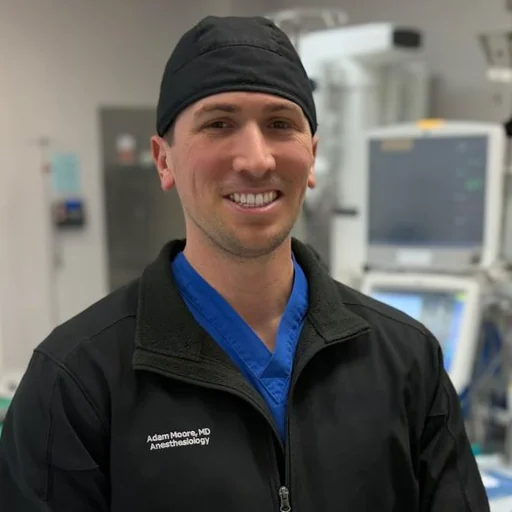
Practicing anesthesiologist with experience across MD-only, medical supervision of CRNAs, and medical direction of CAAs. Founded AnesthesiaJobs.com to help anesthesia professionals find the best job for their personal and professional life.
More about Adam →