Best Cities for Anesthesia Jobs in 2026: Salary + COL Ranked

Key Takeaways
- The best cities for anesthesia jobs balance high compensation with affordable living — not just the biggest paycheck on paper
- Texas metros (Houston, Dallas–Fort Worth) and Nashville, TN top the list thanks to zero state income tax, low cost of living, and surging demand for all anesthesia providers
- CRNAs earn a national median of $223,210 (BLS, May 2024) with advertised averages of $260,000 (ZipRecruiter, 2026); anesthesiologists reach total compensation of $535,000 median (SalaryDr, 2026); CAAs average $247,000–$253,000 nationally (Becker’s/Marit Health, 2026)
- Cost-of-living adjustments can add $30,000–$80,000+ in real purchasing power compared to high-cost coastal metros
- All 10 cities featured have strong healthcare systems, growing surgical volumes, and active demand for anesthesia providers
If you’re searching for the best cities for anesthesia jobs, the answer isn’t simply “wherever the salary is highest.” A $280,000 CRNA salary in San Francisco sounds impressive — until you factor in a cost-of-living index nearly double the national average and a state income tax exceeding 9%. Meanwhile, a $260,000 offer in Houston or Nashville leaves you with significantly more take-home pay, lower housing costs, and a higher quality of life.
This guide ranks the top cities for CRNAs, anesthesiologists, and Certified Anesthesiologist Assistants (CAAs) using a salary-plus-cost-of-living methodology. We analyzed compensation data across all three roles, cost-of-living indices, state tax burdens, healthcare employer density, and demand signals to identify the metros where your anesthesia career dollar goes the furthest. Whether you’re a new graduate mapping your first job search or an experienced provider considering relocation, this is your roadmap. For a broad overview of all three career paths, see our guide to exploring anesthesia careers.
📊 Salary Data Sources & Freshness This guide cites data from multiple sources: the U.S. Bureau of Labor Statistics (BLS, May 2024 — latest government data), ZipRecruiter (2026 advertised salaries), Glassdoor, AMN Healthcare, SalaryDr, and other industry reports. Government salary surveys have a 12–18 month reporting lag. Current advertised salaries on job boards typically reflect real-time market conditions and may be higher. Anesthesia provider compensation has risen steadily over the past five years.
How We Ranked the Best Cities for Anesthesia Jobs
Picking the “best” city is personal, but we used a data-driven approach to narrow the field. Our methodology weighed five factors:
- Anesthesia provider compensation — Salary data for CRNAs, anesthesiologists, and CAAs from BLS, ZipRecruiter, AMN Healthcare, SalaryDr, and Glassdoor
- Cost-of-living index — City-level COL data from Numbeo (2026) and state-level data from the Missouri Economic Research and Information Center (MERIC, 2025), benchmarked against the national average of 100
- State income tax burden — States with no income tax provide an immediate 5–13% take-home boost over high-tax states
- Healthcare employer density — Number of major health systems, surgical centers, and academic medical centers driving anesthesia demand
- Demand signals — Job posting volume, projected growth, and population trends that indicate long-term opportunity
The result is a ranking that prioritizes real purchasing power — what you actually keep and can spend — rather than raw salary alone.

The Top 10 Best Cities for Anesthesia Jobs in 2026
1. Houston, TX
Why it ranks #1: Houston combines one of the nation’s lowest metro cost-of-living indices (63.9 on the Numbeo scale, where NYC = 100) with zero state income tax and the world-famous Texas Medical Center — the largest medical complex on Earth. With over 60 hospitals and healthcare institutions in a single metro, demand for CRNAs, anesthesiologists, and CAAs is consistently strong.
- COL Index: 63.9 (Numbeo, 2026) | State COL: 92.1 (MERIC, 2025)
- State income tax: None
- Key employers: Texas Medical Center, Houston Methodist, Memorial Hermann, MD Anderson Cancer Center, Baylor St. Luke’s
- CAA practice: Yes — Texas is a CAA-friendly state
A CRNA earning the advertised average of $260,000 (ZipRecruiter, 2026) in Houston keeps substantially more than one earning $280,000+ in California or New York after accounting for taxes and living costs. For anesthesiologists, the Houston market supports total compensation well above the national BLS mean base of $336,640 (BLS, 2024), with private practice groups and large health systems competing for talent. Read more about the Texas anesthesia market.
2. Dallas–Fort Worth, TX
Why it ranks #2: The DFW metroplex is one of the fastest-growing regions in the country, with a healthcare infrastructure expanding to match. The cost of living is slightly higher than Houston but still well below the national average (Dallas COL: 72.9, Numbeo 2026), and the zero-state-income-tax advantage applies here too.
- COL Index: 72.9 (Numbeo, 2026)
- State income tax: None
- Key employers: Baylor Scott & White, UT Southwestern, Texas Health Resources, Parkland Health, Medical City Healthcare
- CAA practice: Yes
DFW’s booming population (adding ~100,000+ residents annually) drives new hospital construction and ambulatory surgical center growth, creating a steady pipeline of anesthesia jobs across all three roles.
3. Nashville, TN
Why it ranks #3: Nashville isn’t just Music City — it’s also the healthcare capital of America. More than 900 healthcare companies are headquartered here, including HCA Healthcare (the largest for-profit hospital operator in the world), Community Health Systems, and Envision Healthcare. The COL is moderate (70.3, Numbeo 2026), and Tennessee has no state income tax on wages.
- COL Index: 70.3 (Numbeo, 2026) | State COL: 90.3 (MERIC, 2025)
- State income tax: None on earned income
- Key employers: HCA Healthcare, Vanderbilt University Medical Center, Ascension Saint Thomas, Community Health Systems
- CAA practice: Expanding — check current state authorization
Nashville’s unique concentration of healthcare corporate headquarters means anesthesia providers can find roles in clinical practice, leadership, and even consulting. The combination of strong salaries, no state income tax, and affordable living makes Nashville one of the best overall values for anesthesia professionals.
4. Charlotte, NC
Why it ranks #4: Charlotte is the largest metro in the Carolinas and a rising star for healthcare professionals. Atrium Health (now Advocate Health, one of the nation’s largest nonprofit systems) is headquartered here, creating a deep well of anesthesia opportunities. The COL is favorable (69.8, Numbeo 2026), and North Carolina’s state income tax is a flat 4.5% — well below the national average.
- COL Index: 69.8 (Numbeo, 2026) | State COL: 97.8 (MERIC, 2025)
- State income tax: 4.5% flat rate
- Key employers: Atrium Health / Advocate Health, Novant Health, CaroMont Health
Charlotte’s rapid population growth and expanding surgical volumes signal long-term demand stability. For a deeper look at state-level compensation, explore our top 10 highest-paying states for CRNAs.
5. Raleigh-Durham, NC (Research Triangle)
Why it ranks #5: The Research Triangle punches above its weight. Duke University Hospital, UNC Health, and WakeMed create a three-pillar system of academic and community anesthesia jobs. The COL is among the lowest of any major metro with a world-class academic medical center (67.8, Numbeo 2026).
- COL Index: 67.8 (Numbeo, 2026)
- State income tax: 4.5% flat rate
- Key employers: Duke University Health System, UNC Health, WakeMed, REX Hospital
For anesthesiologists interested in academic medicine, Duke and UNC offer research and teaching opportunities alongside competitive compensation. Anesthesiologists nationally earn a total compensation median of $535,000 (SalaryDr, 2026), and academic settings — while typically offering lower base pay — provide benefits including research time, sabbaticals, and retirement packages that close the gap.
6. Pittsburgh, PA
Why it ranks #6: Pittsburgh is an underrated gem for anesthesia careers. UPMC (University of Pittsburgh Medical Center) is one of the largest health systems in the United States, employing thousands of anesthesia providers across dozens of facilities. The cost of living is remarkably low for a major metro (70.2, Numbeo 2026), and housing costs are among the most affordable in the Northeast corridor.
- COL Index: 70.2 (Numbeo, 2026) | State COL: 97.2 (MERIC, 2025)
- State income tax: 3.07% flat rate (plus local taxes)
- Key employers: UPMC, Allegheny Health Network, VA Pittsburgh Healthcare System
Pittsburgh’s low COL paired with strong CRNA and anesthesiologist demand makes it an excellent value. CRNAs starting in the $220,000–$260,000 range find their dollar stretches significantly further here than in comparably sized metros on the East Coast.
7. Atlanta, GA
Why it ranks #7: Atlanta is a top-tier destination for anesthesia providers — and the single best city in the country for CAAs. Emory University is home to one of the nation’s premier CAA training programs, and Atlanta-based systems actively recruit CAAs at premium compensation levels. The cardiac premium for CAAs at Emory reaches $264,000–$328,000 (Emory data). For CRNAs and anesthesiologists, Emory Healthcare, Piedmont Healthcare, and Grady Health System provide robust demand.
- COL Index: 75.3 (Numbeo, 2026) | State COL: 92.5 (MERIC, 2025)
- State income tax: 5.39% (graduated)
- Key employers: Emory Healthcare, Piedmont Healthcare, Grady Memorial, Northside Hospital, Wellstar Health System
- CAA practice: Yes — Georgia is a leading CAA-practice state
Atlanta stands out for offering all three anesthesia career paths in a single metro — a rarity that creates flexibility for career pivots, dual-credential households, and team-based practice.
8. Indianapolis, IN
Why it ranks #8: Indianapolis offers one of the best cost-of-living profiles of any major U.S. city (69.0, Numbeo 2026) combined with a strong healthcare sector anchored by IU Health (Indiana’s largest system), Ascension St. Vincent, and Community Health Network. Indiana’s flat state income tax of 3.05% keeps tax burdens low.
- COL Index: 69.0 (Numbeo, 2026) | State COL: 91.0 (MERIC, 2025)
- State income tax: 3.05% flat rate (plus county surtax)
- Key employers: IU Health, Ascension St. Vincent, Community Health Network, Eskenazi Health
With a CRNA advertised average of $260,000 (ZipRecruiter, 2026) and a COL well below the national average, Indianapolis delivers exceptional real purchasing power. Anesthesiologists find competitive offers from both employed and independent practice models.
9. Minneapolis–St. Paul, MN
Why it ranks #9: The Twin Cities anchor one of the nation’s strongest healthcare regions. The Mayo Clinic (just 80 miles south in Rochester) elevates the entire region’s medical prestige, and locally, Allina Health, Fairview/M Health, and HealthPartners run extensive hospital networks. The COL is moderate (71.5, Numbeo 2026), and Minnesota’s high quality of life consistently ranks among the nation’s best.
- COL Index: 71.5 (Numbeo, 2026) | State COL: 94.6 (MERIC, 2025)
- State income tax: 5.35%–9.85% (graduated)
- Key employers: Allina Health, M Health Fairview, HealthPartners, Hennepin Healthcare, Mayo Clinic Health System
The trade-off: Minnesota’s state income tax is higher than average. However, the combination of high salaries, excellent schools, and quality of life offsets much of that burden. For anesthesiologists, Minnesota is among the top-paying states nationally, with BLS-reported mean wages exceeding the national average.
10. Tampa Bay, FL
Why it ranks #10: Florida’s zero state income tax has long attracted healthcare professionals, and Tampa Bay offers an excellent balance of affordability and opportunity. The COL (70.0, Numbeo 2026) is well below Florida’s more expensive coastal markets like Miami (79.5), while healthcare systems like BayCare Health, AdventHealth, and Tampa General Hospital maintain strong surgical volumes.
- COL Index: 70.0 (Numbeo, 2026) | State COL: 102.2 (MERIC, 2025)
- State income tax: None
- Key employers: BayCare Health System, Tampa General Hospital, AdventHealth, Moffitt Cancer Center
- CAA practice: Check current Florida licensure status
Tampa Bay’s sunshine premium extends beyond lifestyle — Florida’s overall anesthesia demand is among the highest in the country, fueled by a rapidly growing and aging population. For more on CRNA compensation in the state, see our CRNA salary Florida guide.
Best Cities for Anesthesia Jobs: Salary + COL Comparison Table
The table below compares all 10 cities across key financial metrics. National benchmarks are included for reference.
| Rank | City | COL Index (Numbeo, 2026) | State Income Tax | CRNA Est. Range | Anesthesiologist Est. Total Comp | CAA Practice State? |
|---|---|---|---|---|---|---|
| — | National Benchmarks | 100 (baseline) | Varies | $223,210 median / $260,000 adv. avg | $336,640 BLS mean / $535,000 total comp median | ~20 states |
| 1 | Houston, TX | 63.9 | 0% | $240,000–$280,000 | $450,000–$550,000+ | ✅ Yes |
| 2 | Dallas–Fort Worth, TX | 72.9 | 0% | $235,000–$275,000 | $440,000–$540,000+ | ✅ Yes |
| 3 | Nashville, TN | 70.3 | 0% | $230,000–$270,000 | $430,000–$530,000 | Expanding |
| 4 | Charlotte, NC | 69.8 | 4.5% | $230,000–$265,000 | $420,000–$520,000 | Check state |
| 5 | Raleigh-Durham, NC | 67.8 | 4.5% | $230,000–$265,000 | $420,000–$520,000+ | Check state |
| 6 | Pittsburgh, PA | 70.2 | 3.07% | $225,000–$265,000 | $420,000–$525,000 | Check state |
| 7 | Atlanta, GA | 75.3 | 5.39% | $230,000–$270,000 | $430,000–$530,000 | ✅ Yes |
| 8 | Indianapolis, IN | 69.0 | 3.05% | $230,000–$265,000 | $420,000–$520,000 | Check state |
| 9 | Minneapolis–St. Paul, MN | 71.5 | 5.35–9.85% | $240,000–$280,000 | $450,000–$560,000 | Check state |
| 10 | Tampa Bay, FL | 70.0 | 0% | $225,000–$265,000 | $420,000–$520,000 | Check state |
(Sources: BLS May 2024, ZipRecruiter 2026, SalaryDr 2026, AMN Healthcare 2025, Numbeo 2026, MERIC 2025. Estimated ranges reflect local market conditions and may vary by employer, experience, and practice setting.)
Note on CAA practice: CAAs currently practice in approximately 20 states. Licensure is actively expanding. Always verify current practice authorization with your state’s regulatory board before accepting a position. Learn more about the CAA role in our CAA vs CRNA comparison.
Best Cities by Role
Best Cities for CRNAs
CRNAs enjoy the broadest geographic flexibility — they practice in all 50 states with varying degrees of independent practice authority. The best cities combine competitive pay (starting at $220,000–$260,000 nationally) with a low cost of living and favorable practice environments.
Top CRNA picks: 1. Houston, TX — Excellent pay, lowest COL, no state tax, CRNA-friendly practice environment 2. Nashville, TN — Strong demand from HCA’s nationwide staffing needs, no state income tax 3. Pittsburgh, PA — UPMC’s massive system creates steady demand at Pittsburgh’s bargain-level COL
CRNAs in independent practice states often enjoy broader scope and higher demand. For California-specific data, see our CRNA salary California guide.
Best Cities for Anesthesiologists
Anesthesiologists benefit most from practice models (private practice vs. employed) and total compensation packages that include productivity bonuses, call pay, and partnership tracks. National total compensation reaches a median of $535,000 (SalaryDr, 2026), with starting salaries around $377,000+ (AMN Healthcare, 2025).
Top Anesthesiologist picks: 1. Dallas–Fort Worth, TX — Private practice opportunities, growing surgical center market, no state tax 2. Minneapolis–St. Paul, MN — Among the highest-paying states for anesthesiologists (BLS), premier health systems 3. Raleigh-Durham, NC — Academic and community options at Duke/UNC with Research Triangle COL
For a comprehensive look at anesthesiologist earnings, see how much anesthesiologists make.
Best Cities for CAAs
CAAs practice in approximately 20 states, which narrows the geographic options but also concentrates opportunity. The national average salary of $247,000–$253,000 (Becker’s/Marit Health, 2026) rises sharply for cardiac specializations, with the Emory cardiac premium reaching $264,000–$328,000.
Top CAA picks: 1. Atlanta, GA — Unmatched. Emory’s CAA program and cardiac premium make Atlanta the #1 destination 2. Houston, TX — CAA-friendly Texas law, Texas Medical Center demand, lowest COL on this list 3. Dallas–Fort Worth, TX — Growing CAA hiring in major Texas systems
The Cost-of-Living Advantage: Why It Matters More Than Salary
A common mistake in the anesthesia job search is chasing the highest number on an offer letter. Here’s a concrete example of why COL-adjusted thinking matters:
| Scenario | San Francisco, CA | Houston, TX | Difference |
|---|---|---|---|
| CRNA salary | $275,000 | $260,000 | -$15,000 gross |
| COL Index | 97.6 (Numbeo) | 63.9 (Numbeo) | 34% lower in Houston |
| State income tax | ~9.3% top rate | 0% | ~$24,000+ saved |
| Median home price | ~$1,200,000 | ~$340,000 | $860,000 less |
| Effective purchasing power | Lower | Significantly higher | Houston wins by $50,000+ |
The CRNA in Houston earning $15,000 less on paper actually keeps tens of thousands more after taxes and housing — and builds wealth faster through affordable real estate and lower everyday expenses. This math applies to anesthesiologists and CAAs equally.
Tax Considerations for Anesthesia Providers
State income tax can represent the single largest variable in your take-home pay outside of salary itself. Among our top 10 cities:
| Tax Category | No Income Tax (TX, TN, FL) | Low Tax (PA, IN, NC) | Higher Tax (MN, GA) |
|---|---|---|---|
| Cities | Houston, DFW, Nashville, Tampa | Pittsburgh, Indianapolis, Charlotte, Raleigh | Minneapolis, Atlanta |
| Tax rate | 0% | 3.05–4.5% | 5.35–9.85% |
| On $260K CRNA salary | $0 | ~$8,000–$11,700 | ~$14,000–$25,000+ |
| On $535K Anesthesiologist total comp | $0 | ~$16,000–$24,000 | ~$28,000–$52,000+ |
For anesthesiologists earning $535,000 in total compensation, the difference between a zero-tax state (Texas, Florida, Tennessee) and a high-tax state (Minnesota) can exceed $50,000 per year — a meaningful gap that compounds over a career. Learn more about structuring compensation in our CRNA contract negotiation guide.

Tips for Evaluating Your Best City
Beyond salary and COL, consider these factors when choosing where to practice:
1. Practice Environment and Autonomy
Different states offer different scopes of practice for CRNAs and varying team structures for anesthesiologists and CAAs. Research the care model before committing.
2. Employer Density Creates Negotiating Power
Cities with multiple competing health systems (Houston, DFW, Atlanta, Pittsburgh) give you leverage to negotiate higher compensation, better schedules, and signing bonuses.
3. Locum Tenens Access
Living in a centrally located city provides easier access to lucum tenens opportunities, which can supplement income significantly. CRNAs earn $200–$325+/hr on locum assignments, while anesthesiologists earn $300–$450/hr.
4. Long-Term Market Stability
Look for cities with population growth, new hospital construction, and expanding ambulatory surgical centers. Texas, North Carolina, and Tennessee consistently rank among the fastest-growing states.
5. Quality of Life Beyond the Paycheck
Schools, outdoor recreation, cultural amenities, climate preferences, and proximity to family all matter. The “best” city is ultimately the one where you’re happy, healthy, and financially secure.
Honorable Mentions
Several cities narrowly missed our top 10 and deserve recognition:
- San Antonio, TX — Even lower COL than Houston (63.1, Numbeo 2026), growing military and civilian healthcare presence, no state income tax
- Columbus, OH — Ohio State Wexner Medical Center, COL of 69.4, strong CRNA market
- Kansas City, MO — COL of 66.6, multiple health systems, central location for locum work
- Jacksonville, FL — Mayo Clinic Florida campus, COL of 64.5, no state income tax
- Salt Lake City, UT — Intermountain Health (renowned for clinical excellence), beautiful outdoor recreation, COL of 66.7
For state-level demand analysis, explore our guide to anesthesia provider demand by state.
Related Reading
- Top 10 Highest-Paying States for CRNAs
- Top 10 Highest-Paying States for Anesthesiologists
- CRNA Salary California: 2026 Complete Guide
- CRNA Salary Florida: 2026 Complete Guide
- Anesthesiologist Salary Texas: 2026 Complete Guide
- Anesthesia Provider Demand by State
- Exploring Anesthesia Careers
Ready to find your ideal anesthesia job in one of these top cities?
Browse CRNA Jobs on AnesthesiaJobs.com →
Browse Anesthesiologist Jobs on AnesthesiaJobs.com →
Browse CAA Jobs on AnesthesiaJobs.com →
Frequently Asked Questions
What are the best cities for anesthesia jobs in 2026?
The best cities for anesthesia jobs in 2026 — when accounting for both salary and cost of living — include Houston, TX; Dallas–Fort Worth, TX; Nashville, TN; Charlotte, NC; Raleigh-Durham, NC; Pittsburgh, PA; Atlanta, GA; Indianapolis, IN; Minneapolis–St. Paul, MN; and Tampa Bay, FL. These metros combine strong anesthesia salaries with affordable living costs and robust healthcare employer density. Texas, Tennessee, and Florida cities benefit especially from zero state income tax.
Which city pays the most for CRNAs after cost of living?
Houston, TX offers one of the highest COL-adjusted CRNA salaries in the country. While the CRNA national median is $223,210 (BLS, May 2024) and the advertised average reaches $260,000 (ZipRecruiter, 2026), Houston’s cost-of-living index is just 63.9 (Numbeo, 2026) — roughly 36% below New York City. Combined with zero state income tax, CRNAs in Houston keep significantly more of their earnings than peers in coastal metros earning higher nominal salaries.
Do CAAs have good job opportunities in these cities?
Yes, particularly in Atlanta, GA, and the Texas metros (Houston and Dallas–Fort Worth). CAAs practice in approximately 20 states, and Georgia is a leading CAA-practice state with Emory Healthcare offering cardiac premiums of $264,000–$328,000. Texas also permits CAA practice. Nationally, CAAs earn an average of $247,000–$253,000 (Becker’s/Marit Health, 2026), with top earners reaching $333,500+ (ZipRecruiter 90th percentile). Always verify your target state’s current CAA licensure status.
Should I choose a city based on salary alone?
No. Cost of living, state income tax, practice environment, employer density, and quality of life all significantly impact your real financial outcome and career satisfaction. A lower-salary offer in a no-income-tax state with affordable housing can leave you with substantially more savings and purchasing power than a higher salary in a high-cost metro. Model your after-tax income, housing costs, and monthly expenses before making a decision.
How much do locum tenens anesthesia providers earn in these cities?
Locum tenens rates vary by role and market but remain strong across all 10 cities. CRNAs earn $200–$325+ per hour on locum assignments ($400,000–$550,000+ gross annually), while anesthesiologists earn $300–$450 per hour ($600,000–$900,000+ gross annually). CAAs earn $200–$275 per hour on locum contracts. Living in a centrally located city with a major airport (Houston, Dallas, Atlanta, Nashville) provides logistical advantages for locum work across multiple regions.
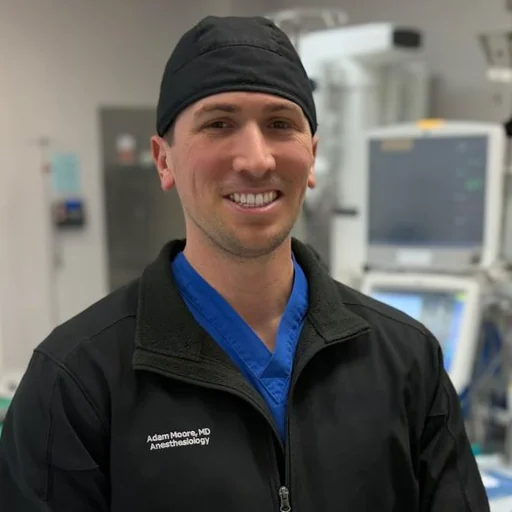
Practicing anesthesiologist with experience across MD-only, medical supervision of CRNAs, and medical direction of CAAs. Founded AnesthesiaJobs.com to help anesthesia professionals find the best job for their personal and professional life.
More about Adam →