Anesthesiologist Fellowship Guide: Subspecialties, Salary & Career Impact

Key Takeaways
- Eight ACGME-recognized anesthesiology fellowship subspecialties let you deepen expertise, boost earning power, and tailor your career
- Fellowship-trained anesthesiologists earn significant salary premiums — cardiac anesthesiologists can earn $550,000–$850,000+, while pain medicine specialists earn $380,000–$600,000+ depending on procedural volume
- General anesthesiologists already command a BLS mean base of $336,640 (BLS, 2024) with total compensation reaching a median of $535,000 (SalaryDr, 2026) — fellowship adds upside on top of an already outstanding baseline
- Most anesthesiology fellowships are one year, meaning you trade a single year of attending salary for decades of subspecialty premium
- Fellowship is optional — not required — for a successful anesthesiology career, but it opens doors to academic medicine, niche practice settings, and higher-acuity cases
If you’re completing — or considering — an anesthesiology fellowship, you’re evaluating one of the most consequential career decisions in medicine. Fellowship training transforms a general anesthesiologist into a subspecialty expert, often unlocking higher compensation, academic opportunities, and access to the most complex cases in the operating room. With anesthesiologist positions in high demand across the country, the question isn’t whether you’ll find a job — it’s whether additional training aligns with your clinical interests and career goals.
This comprehensive guide covers every major anesthesiology fellowship pathway: what each subspecialty involves, the salary premium it commands, how competitive the match is, and the long-term career impact. Whether you’re a medical student exploring how to become an anesthesiologist, a resident weighing fellowship options, or an attending considering a career pivot, this resource has you covered.
For a complete look at anesthesiologist earnings across all practice settings, see our full breakdown of how much anesthesiologists make.
📊 Salary Data Sources & Freshness This guide cites data from multiple sources: the U.S. Bureau of Labor Statistics (BLS, May 2024 — latest government data), ZipRecruiter (2026 advertised salaries), Glassdoor, AMN Healthcare, SalaryDr, and other industry reports. Government salary surveys have a 12–18 month reporting lag. Current advertised salaries on job boards typically reflect real-time market conditions and may be higher. Anesthesia provider compensation has risen steadily over the past five years.
What Is an Anesthesiology Fellowship?
An anesthesiology fellowship is a one- to two-year post-residency training program that provides advanced, focused education in a specific area of anesthesia practice. After completing a four-year anesthesiology residency (CA-1 through CA-3 plus an intern year), physicians can pursue fellowship training to develop subspecialty expertise.
Most fellowships are accredited by the Accreditation Council for Graduate Medical Education (ACGME), which means they follow standardized curricula, lead to board certification eligibility, and are recognized nationally. A few emerging subspecialties — such as neuroanesthesiology and transplant anesthesiology — offer non-ACGME fellowships that still provide valuable clinical training but without formal board certification.
Fellowship vs. Going Straight to Practice
It’s worth noting that fellowship is entirely optional. General anesthesiologists are in extraordinary demand, with advertised salaries averaging $393,215 (ZipRecruiter, 2026) and total compensation reaching a median of $535,000 (SalaryDr, 2026). Many anesthesiologists build highly successful, well-compensated careers without any fellowship training.
So why do roughly 40–50% of anesthesiology residents still pursue fellowship? The reasons typically include:
- Higher earning potential in specific subspecialties (especially cardiac and pain medicine)
- Academic career access — most academic medical centers prefer or require fellowship training for faculty positions
- Niche clinical interests — fellowship lets you focus on the patient populations and procedures you enjoy most
- Job market differentiation — fellowship-trained specialists are harder to replace, giving you leverage in contract negotiations
- Structured transition — an additional year of mentored practice before independent attending responsibility
The trade-off is clear: one more year earning a fellow salary (typically $75,000–$90,000) instead of an attending salary. For most subspecialties, the long-term salary premium more than compensates for this short-term opportunity cost.
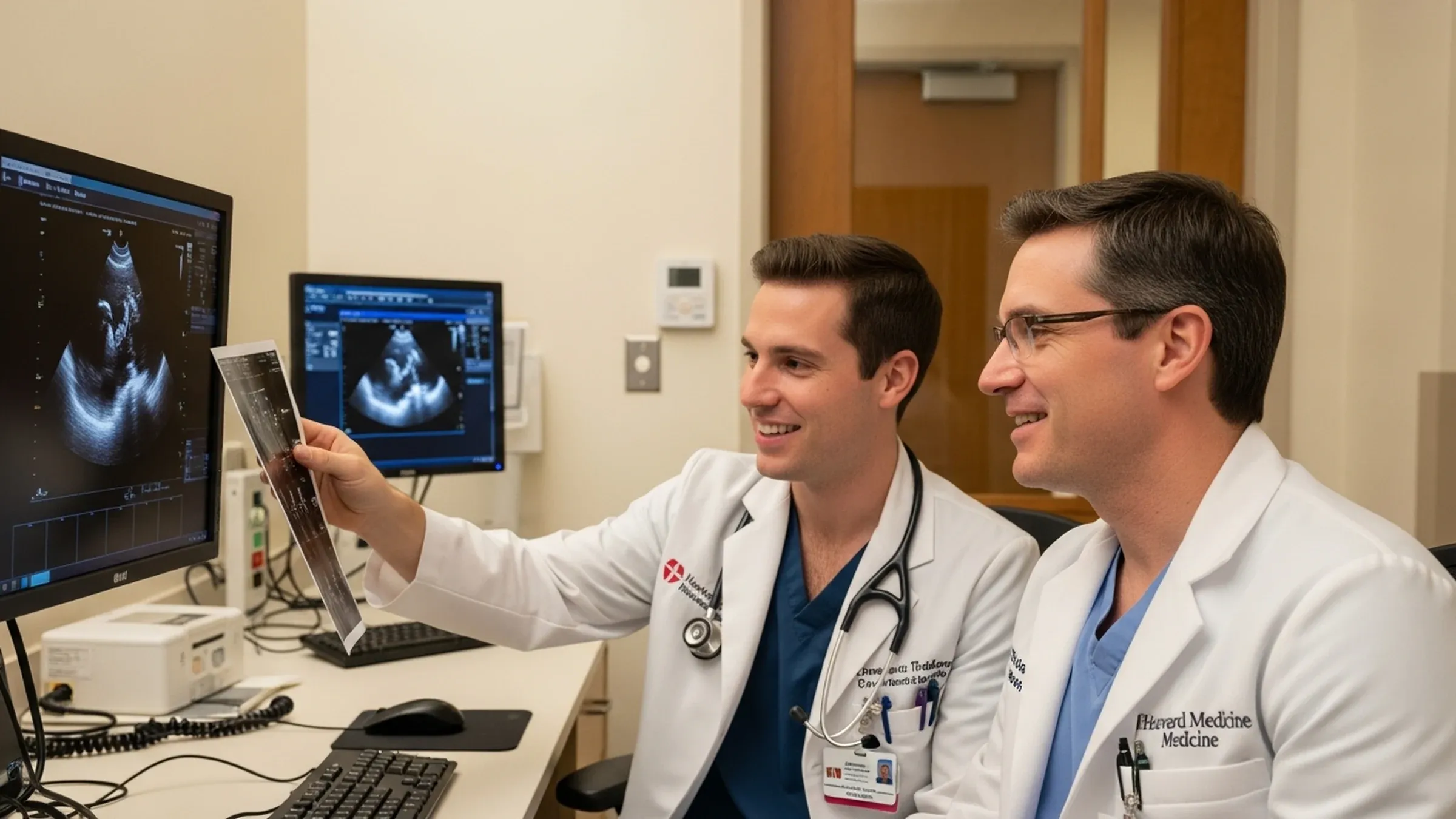
Anesthesiology Fellowship Subspecialties: Complete Overview
The ACGME recognizes several anesthesiology fellowship subspecialties. Here’s a comprehensive look at each pathway, what it involves, and what it means for your career.
Adult Cardiothoracic Anesthesiology
Duration: 1 year (ACGME-accredited)
Cardiothoracic anesthesiology places you at the center of the highest-acuity cases in the operating room — open-heart surgeries, valve replacements, heart and lung transplants, and structural heart procedures. You’ll master transesophageal echocardiography (TEE), manage patients on cardiopulmonary bypass, and become the expert in hemodynamic management for the sickest surgical patients.
Why it matters: Cardiac anesthesia is one of the most financially rewarding anesthesiology subspecialties. Fellowship-trained cardiac anesthesiologists command compensation of $550,000–$850,000+ depending on volume and setting (MedicalRecruiting.com, 2026). Major cardiac surgery programs, academic medical centers, and high-volume heart hospitals strongly prefer — and often require — fellowship-trained cardiac anesthesiologists.
Best for: Physicians who thrive under pressure, enjoy complex hemodynamic management, and want access to the highest-compensating anesthesiology positions.
Pain Medicine
Duration: 1 year (ACGME-accredited)
Pain medicine is the most popular anesthesiology fellowship and represents a significant departure from OR-based practice. Pain medicine specialists treat chronic pain conditions using image-guided procedures — epidural steroid injections, nerve blocks, radiofrequency ablation, and spinal cord stimulators. The work is predominantly outpatient and procedural.
Why it matters: Pain medicine fellowship-trained anesthesiologists earn approximately $380,000–$600,000+ depending on procedural volume and practice setting (MedicalRecruiting.com, 2026; AllStar Healthcare Solutions, 2026). Private practice pain physicians with high procedural volume can significantly exceed these ranges. The lifestyle is attractive — most pain specialists work four-day clinic weeks with minimal to no call.
Best for: Physicians who prefer outpatient, procedure-based work with strong earning potential, excellent work-life balance, and high autonomy. Pain medicine also offers one of the clearest paths to private practice ownership.
Pediatric Anesthesiology
Duration: 1 year (ACGME-accredited)
Pediatric anesthesiology trains you to manage anesthesia for patients ranging from premature neonates to teenagers. The physiology is fundamentally different — smaller blood volumes, higher metabolic rates, weight-based dosing, and narrower airways demand specialized expertise.
Why it matters: Fellowship-trained pediatric anesthesiologists earn $450,000–$650,000 (MedicalRecruiting.com, 2026) and are in constant demand at children’s hospitals and academic centers. While general anesthesiologists handle routine pediatric cases, fellowship training qualifies you for the most complex neonatal and pediatric surgeries. This is also one of the strongest pathways into academic medicine.
Best for: Physicians drawn to working with children and families, who enjoy the precision required by pediatric physiology, and who value the academic and teaching opportunities at children’s hospitals.
Critical Care Medicine
Duration: 1 year (ACGME-accredited)
The critical care fellowship trains you to manage the most acutely ill patients in the ICU — ventilator management, hemodynamic optimization, advanced procedures, and multidisciplinary team leadership. Anesthesiology-trained intensivists bring unique airway and resuscitation expertise to the ICU.
Why it matters: Critical care anesthesiologists earn $450,000–$620,000 (MedicalRecruiting.com, 2026). Demand for intensivists remains high nationwide, particularly as ICU census and complexity continue to grow. A unique advantage is the schedule flexibility — many positions offer a “week on, week off” structure that splits time between the ICU and OR, providing variety and built-in time off.
Best for: Physicians who want to practice both in the OR and the ICU, enjoy leading multidisciplinary teams, and value schedule flexibility. This is one of the less competitive fellowships, making it accessible for a broad range of applicants.
Obstetric Anesthesiology
Duration: 1 year (ACGME-accredited)
Obstetric anesthesiology focuses on the unique challenges of maternal anesthesia — labor epidurals, emergency cesarean sections, managing maternal comorbidities, and rare but life-threatening emergencies like amniotic fluid embolism. The pace on labor and delivery can swing from calm to critical in minutes.
Why it matters: OB anesthesiologists earn $430,000–$580,000 (MedicalRecruiting.com, 2026). High-risk obstetric units at academic centers and large hospitals prefer fellowship-trained specialists. The hours are more predictable than many other anesthesia subspecialties, and the emotional reward of caring for mothers and newborns is uniquely fulfilling.
Best for: Physicians who enjoy the unpredictable-yet-rewarding environment of labor and delivery, want to become the go-to expert for complex maternal cases, and appreciate relatively predictable scheduling.
Regional Anesthesiology and Acute Pain Medicine
Duration: 1 year (ACGME-accredited)
This fellowship focuses on ultrasound-guided nerve blocks, catheter-based regional techniques, and acute perioperative pain management. You’ll develop expertise in multimodal analgesia, opioid-sparing protocols, and acute pain consultation services.
Why it matters: Regional anesthesiologists earn $450,000–$620,000 (MedicalRecruiting.com, 2026). With the ongoing push to reduce opioid use in surgical recovery, regional anesthesia expertise is increasingly valued. Orthopedic-heavy hospitals, ambulatory surgery centers, and trauma centers actively seek fellowship-trained regional specialists.
Best for: Physicians who love hands-on procedural work, want to lead acute pain services, and are passionate about advancing opioid-sparing perioperative care.
Neuroanesthesiology
Duration: 1 year (non-ACGME at most programs)
Neuroanesthesiology focuses on anesthesia for brain and spine surgeries — craniotomies, spinal fusions, aneurysm clippings, and the remarkable awake craniotomy procedures where patients remain conscious during brain tumor removal. You’ll master neurophysiological monitoring, cerebral perfusion management, and tight hemodynamic control.
Why it matters: Neuroanesthesiologists earn $480,000–$650,000 (MedicalRecruiting.com, 2026). While general anesthesiologists can handle routine neuro cases, fellowship training grants access to the most complex neurosurgical cases at academic centers. Note that most neuroanesthesiology fellowships are not yet ACGME-accredited, so they don’t lead to separate board certification.
Best for: Physicians fascinated by neuroscience, who want to work alongside neurosurgeons on the most intricate cases, and are comfortable without formal ACGME certification for this subspecialty.
Transplant Anesthesiology
Duration: 1 year (non-ACGME)
Transplant anesthesiology places you at the center of organ transplant surgery — liver, kidney, heart, and lung transplants. These are among the most physiologically complex surgeries in medicine, requiring management of massive fluid shifts, coagulopathies, and minute-by-minute hemodynamic changes.
Why it matters: Transplant anesthesiologists earn premium compensation due to the complexity and unpredictable call demands of transplant surgery. The lifestyle is demanding — organs don’t arrive on a schedule — but the clinical intensity and patient impact are unmatched.
Best for: Physicians who thrive in high-acuity, unpredictable environments and want to care for some of the sickest patients in the hospital.
Anesthesiology Fellowship Salary Comparison
One of the most important factors in the fellowship decision is the salary premium each subspecialty commands over general practice. Here’s how subspecialty compensation compares:
| Subspecialty | Estimated Total Compensation | Premium Over General Practice | Key Compensation Driver |
|---|---|---|---|
| Cardiac Anesthesiology | $550,000–$850,000+ | Very High | Procedural volume, structural heart growth |
| Pain Medicine | $380,000–$600,000+ | Moderate to High | Procedural volume, private practice ownership |
| Pediatric Anesthesiology | $450,000–$650,000 | Moderate | Children’s hospital demand, academic roles |
| Critical Care Medicine | $450,000–$620,000 | Moderate | ICU demand, dual OR/ICU scheduling |
| Obstetric Anesthesiology | $430,000–$580,000 | Moderate | High-risk maternal units, L&D expertise |
| Regional / Acute Pain | $450,000–$620,000 | Moderate | Opioid-sparing initiatives, orthopedic demand |
| Neuroanesthesiology | $480,000–$650,000 | Moderate | Complex neurosurgery cases |
| General Anesthesiology | $420,000–$560,000 (community employed) | Baseline | Broad surgical volume |
(Sources: MedicalRecruiting.com 2026, AllStar Healthcare Solutions 2026, SalaryDr 2026)
Key insight: The general anesthesiology baseline is already outstanding — a BLS mean of $336,640 (BLS, 2024) and total compensation median of $535,000 (SalaryDr, 2026). Fellowship premiums are most significant in cardiac anesthesiology and high-volume pain medicine. For other subspecialties, the premium may be more modest in dollar terms but substantial in terms of career access, schedule flexibility, and job satisfaction.
For a state-level look at anesthesiologist compensation, see our anesthesiologist salary in Texas breakdown.
Anesthesiology Fellowship: The Match and How Competitive It Is
Most ACGME-accredited anesthesiology fellowships participate in a match process, primarily through SF Match (for cardiac, pediatric, critical care, OB, and regional anesthesiology) or NRMP (for pain medicine). Understanding match competitiveness helps you plan your application strategy.
Match Competitiveness by Subspecialty
| Fellowship | Match Process | Competitiveness | Key Notes |
|---|---|---|---|
| Adult Cardiothoracic | SF Match | Moderate to High | High demand at academic centers; strong TEE skills valued |
| Pain Medicine | NRMP | High | Most popular anesthesiology fellowship; attracts applicants from multiple specialties |
| Pediatric Anesthesiology | SF Match | Moderate | Steady demand at children’s hospitals |
| Critical Care Medicine | SF Match | Low to Moderate | Less competitive; attractive to those wanting OR/ICU dual practice |
| Obstetric Anesthesiology | SF Match | Low to Moderate | Smaller field, strong match rates |
| Regional / Acute Pain | SF Match | Moderate | Growing interest driven by opioid-sparing trends |
| Neuroanesthesiology | Program-specific | Low | Non-ACGME; apply directly to programs |
| Transplant Anesthesiology | Program-specific | Low | Non-ACGME; niche interest |
The 2026 NRMP Specialties Matching Service reported 15,846 active applicants across all fellowship matches — a 6.8% increase over 2025 (NRMP, 2026). Pain medicine remains the most competitive anesthesiology fellowship due to applicants from multiple base specialties (anesthesiology, physical medicine & rehabilitation, neurology, and psychiatry).
Tips for a Strong Fellowship Application
- Start early: Many fellowship matches occur during the CA-2 year — begin identifying programs and mentors during CA-1
- Build subspecialty exposure: Seek elective rotations in your target subspecialty; letters from faculty in the field carry significant weight
- Research matters: Publications and presentations in your target subspecialty demonstrate commitment and strengthen academic applications
- Network strategically: Attend subspecialty society meetings (SCA for cardiac, SPA for pediatric, ASRA for regional, SOCCA for critical care)
- Consider geography: Some subspecialties have limited programs; flexibility on location improves your match chances
The Opportunity Cost: Is an Anesthesiology Fellowship Worth the Investment?
The financial calculation behind fellowship is straightforward but important. Here’s a simplified model:
Opportunity Cost of One Fellowship Year
| Factor | Amount |
|---|---|
| Fellow salary (PGY-5) | ~$80,000–$90,000 |
| Forgone first-year attending salary | ~$377,000+ (AMN Healthcare, 2025) |
| Net opportunity cost | ~$287,000–$297,000 |
That’s roughly $290,000 you “invest” by completing fellowship rather than entering practice immediately. How quickly does the subspecialty premium pay that back?
Payback Period by Subspecialty
| Subspecialty | Estimated Annual Premium | Approximate Payback Period |
|---|---|---|
| Cardiac Anesthesiology | $100,000–$200,000+ | 1.5–3 years |
| Pain Medicine (high volume) | $50,000–$150,000+ | 2–6 years |
| Pediatric Anesthesiology | $30,000–$80,000 | 4–10 years |
| Critical Care | $30,000–$80,000 | 4–10 years |
| Regional / Acute Pain | $30,000–$80,000 | 4–10 years |
The bottom line: Cardiac anesthesiology and high-volume pain medicine fellowships deliver the fastest financial payback. For other subspecialties, the return is more nuanced — the premium may be smaller in dollar terms, but the value often comes through career satisfaction, schedule flexibility, academic access, and long-term job security.
As SalaryDr notes: “Fellowship adds a year that pays back only in specific markets” (SalaryDr, 2026). The decision should weigh both financial and non-financial factors.
How Anesthesiology Fellowship Impacts Your Long-Term Career
Beyond salary, fellowship shapes your career trajectory in several important ways:
Academic Medicine
Fellowship is nearly essential for academic anesthesiology careers. Most teaching hospitals and university medical centers require fellowship training for faculty appointments. If you’re drawn to teaching, research, and working at a major academic center, fellowship isn’t just helpful — it’s expected.
Practice Setting Options
Fellowship-trained anesthesiologists have access to positions that general anesthesiologists typically cannot fill:
- Cardiac programs at major heart centers
- Children’s hospitals for pediatric specialists
- High-risk OB units for obstetric anesthesiologists
- Interventional pain clinics for pain medicine specialists
- Level I trauma centers seeking regional anesthesia experts
- Transplant programs at academic medical centers
Contract Negotiation Leverage
Subspecialty expertise makes you harder to replace. When a cardiac surgery program needs a fellowship-trained cardiac anesthesiologist, there’s a limited pool of candidates — giving you significant leverage in salary negotiations, signing bonuses, and partnership terms.
Career Longevity and Satisfaction
Anesthesiologists who subspecialize often report higher career satisfaction. Focusing on cases you genuinely enjoy — rather than handling the full spectrum of surgical anesthesia — can reduce burnout and extend your career. Critical care fellowship, for example, offers the variety of splitting time between ICU and OR, while pain medicine provides an outpatient lifestyle that many find sustainable long-term.
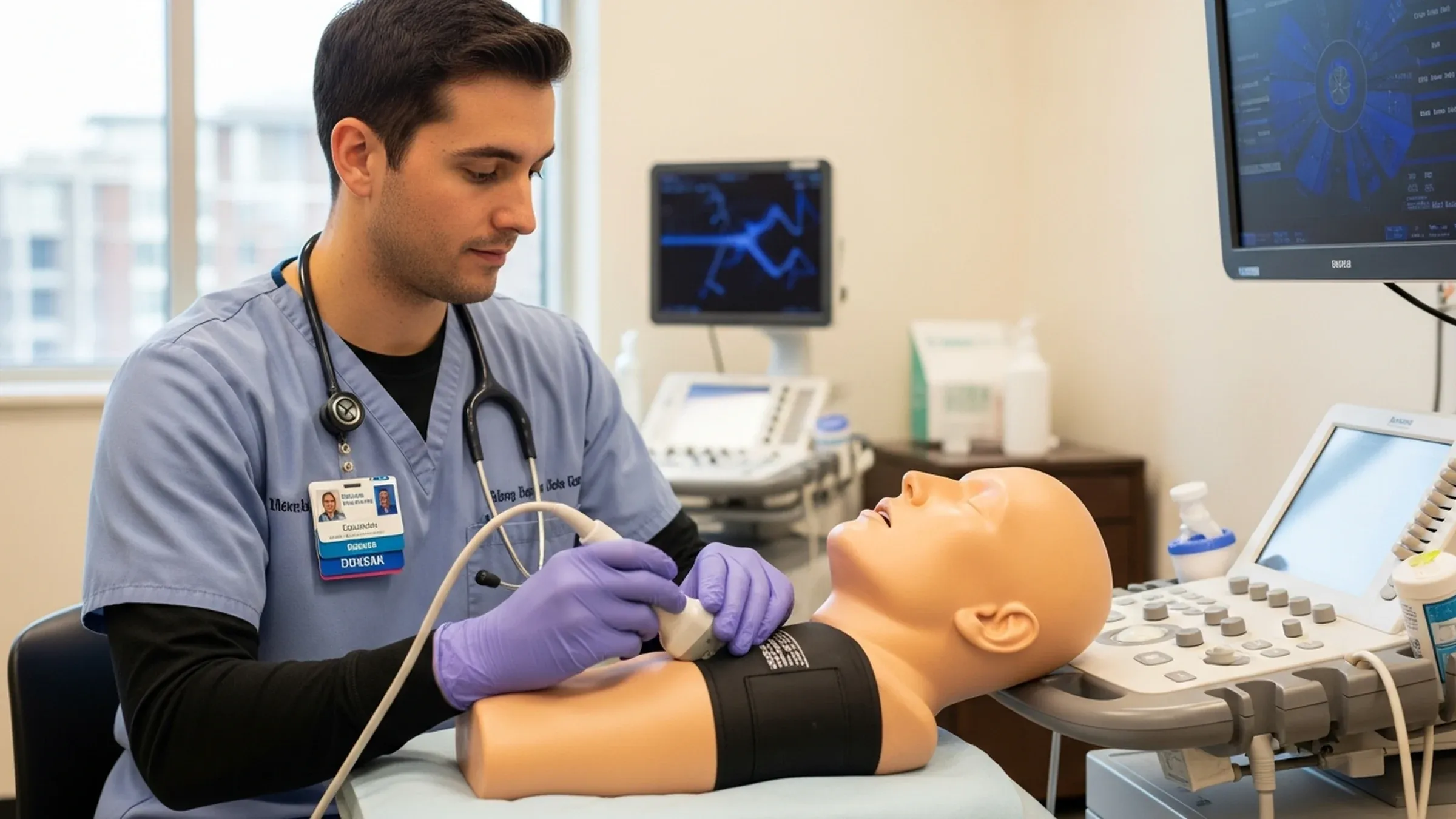
Anesthesiology Fellowship Timeline: When and How to Apply
Understanding the fellowship application timeline is essential for planning. Here’s a typical pathway:
| Career Stage | Timeline | Action Items |
|---|---|---|
| Medical school | Years 3–4 | Explore anesthesiology; complete an anesthesia rotation |
| Intern year (PGY-1) | Year 1 of residency | Begin identifying subspecialty interests |
| CA-1 (PGY-2) | Year 2 | Seek subspecialty elective rotations; identify mentors; attend society meetings |
| CA-2 (PGY-3) | Year 3 | Fellowship applications and match (most ACGME fellowships); submit applications via SF Match or NRMP |
| CA-3 (PGY-4) | Year 4 | Complete residency; prepare for fellowship start |
| Fellowship (PGY-5) | Year 5 | Complete subspecialty training; take subspecialty boards |
| Attending practice | Year 6+ | Begin independent practice as a fellowship-trained specialist |
Total training from medical school graduation: 5 years (general) or 6 years (with fellowship). For context on the full pathway, see our guide on how to become an anesthesiologist.
General Anesthesiology: A Rewarding Path Without Fellowship
It’s important to emphasize that fellowship is not required for a fulfilling and financially exceptional anesthesiology career. General anesthesiologists:
- Earn a BLS mean base of $336,640 (BLS, 2024) with total compensation averaging $569,729 (SalaryDr, 2026)
- Command advertised salaries averaging $393,215 (ZipRecruiter, 2026) with starting salaries of ~$377,000+ (AMN Healthcare, 2025)
- Can earn $600,000–$900,000+ in locum tenens practice ($300–$450/hr)
- Are in demand in virtually every hospital, surgery center, and healthcare system in the country
- Enjoy strong work-life balance and career flexibility
General practice offers breadth — you’ll handle cardiac, pediatric, neuro, trauma, orthopedic, and OB cases throughout your career. Many anesthesiologists prefer this variety over the focused caseload of a subspecialist. The career is outstanding either way.
Related Reading
- How Much Do Anesthesiologists Make? 2026 Salary Breakdown
- How to Become an Anesthesiologist: Complete Career Guide
- Cardiac Anesthesia: Subspecialty Salary & Career Guide
- Anesthesiologist Salary in Texas: 2026 Guide
CTA: Browse Anesthesiologist Jobs on AnesthesiaJobs.com Browse Anesthesiologist Jobs →
Frequently Asked Questions
How long is an anesthesiology fellowship?
Most anesthesiology fellowships are one year in duration. This applies to all major ACGME-accredited subspecialties, including adult cardiothoracic, pain medicine, pediatric, critical care, obstetric, and regional anesthesiology. Some non-ACGME fellowships (neuroanesthesiology, transplant) may vary slightly but are also typically one year. In total, an anesthesiologist with fellowship training completes six years of post-medical school training (four years of residency plus one year of fellowship).
What is the highest-paying anesthesiology fellowship?
Cardiac anesthesiology generally commands the highest compensation, with fellowship-trained cardiac anesthesiologists earning $550,000–$850,000+ depending on case volume and practice setting (MedicalRecruiting.com, 2026). Pain medicine can also be highly lucrative — interventional pain physicians with high procedural volume and private practice ownership can earn $600,000+. Both subspecialties offer significant salary premiums over general anesthesiology practice.
Is an anesthesiology fellowship worth the opportunity cost?
It depends on the subspecialty and your career goals. Cardiac anesthesiology and high-volume pain medicine offer the fastest financial payback — often within two to four years. For other subspecialties, the premium may be smaller, but the value comes through academic career access, schedule flexibility, and long-term job satisfaction. General anesthesiologists already earn total compensation averaging $569,729 (SalaryDr, 2026), so fellowship is a financial accelerator rather than a necessity.
What are the ACGME-accredited anesthesiology fellowships?
The ACGME accredits six anesthesiology fellowship subspecialties: adult cardiothoracic anesthesiology, pain medicine, pediatric anesthesiology, critical care medicine, obstetric anesthesiology, and regional anesthesiology and acute pain medicine. Additional non-ACGME fellowships include neuroanesthesiology and transplant anesthesiology. ACGME-accredited fellowships lead to subspecialty board certification and are nationally standardized.
Can you practice a subspecialty without fellowship training?
In most cases, yes — there is no legal requirement for fellowship training to practice in a subspecialty area. General anesthesiologists routinely provide cardiac, pediatric, OB, and neuro anesthesia. However, major academic centers, high-volume specialty programs, and children’s hospitals strongly prefer or require fellowship-trained providers. Fellowship also qualifies you for subspecialty board certification, which some employers and credentialing committees require.
Practicing anesthesiologist with experience across MD-only, medical supervision of CRNAs, and medical direction of CAAs. Founded AnesthesiaJobs.com to help anesthesia professionals find the best job for their personal and professional life.
More about Adam →