Licensing and Credentialing for Locum Tenens CRNAs
The life of a locum tenens Certified Registered Nurse Anesthetist (CRNA) is one of freedom, variety, and professional growth. It offers the unique ability to work in diverse clinical settings across the country, from bustling urban medical centers to quiet rural hospitals. However, this rewarding career path comes with a significant administrative hurdle: navigating the complex world of state licensing and facility credentialing. For many, this process can seem daunting and time-consuming.
Understanding how to efficiently manage these requirements is the key to unlocking a seamless locum tenens career. A disorganized approach can lead to delayed start dates, lost income, and immense frustration. This comprehensive guide will demystify the entire process. We will provide a step-by-step roadmap for obtaining and managing state licenses, streamlining hospital credentialing, and maintaining a constant state of readiness for your next exciting assignment.
The Twin Pillars of Locum Tenens Readiness: Licensing and Credentialing
Before you can administer your first anesthetic at a new facility, you must clear two distinct but interconnected hurdles: licensing and credentialing. It's crucial to understand the difference between them.
- Licensing is the process by which a state's Board of Nursing grants you the legal authority to practice as an RN and an APRN within its jurisdiction. Without the appropriate state license, you cannot work. This is a government-level requirement.
- Credentialing is the process by which a specific healthcare facility (e.g., a hospital or surgery center) verifies your qualifications and grants you privileges to practice within their institution. This is a facility-level requirement.
You must be licensed in the state before a hospital can begin to credential you. Because both processes can be lengthy, they are the most common cause of delayed start dates for locum tenens assignments. A proactive and organized approach is not just recommended; it's essential.
Part 1: Mastering State Licensing for the Traveling CRNA
Your ability to take on diverse assignments across the country is directly tied to the number of state licenses you hold. The more licenses you have, the more opportunities are available to you.
Building Your Licensing Portfolio
As a new locum tenens CRNA, you should start by being licensed in your home state. From there, a strategic approach to acquiring additional licenses will open up the job market significantly. Consider applying for licenses in states that are popular locum tenens destinations or that are part of a licensure compact.
When you work with a staffing agency, your recruiter can be an invaluable resource. They have real-time data on which states have the highest demand for CRNAs and can advise you on where to get licensed to maximize your opportunities.
The Application Process: A Step-by-Step Guide
While each state's Board of Nursing has slightly different requirements, the general process is similar.
- Initial Research: Visit the website for the Board of Nursing in the state where you wish to practice. Locate the section for APRN licensure by endorsement (this is for providers already licensed in another state).
- Gather Required Documents: You will need a standard set of documents for nearly every application. It’s wise to create a digital portfolio with high-quality scans of: -- Your primary state nursing licenses (RN and APRN). -- Official transcripts sent directly from your nursing and anesthesia schools. -- Verification of your national certification from the NBCRNA. -- Fingerprints for a criminal background check.
- Complete the Application: Fill out the application form meticulously. Any errors or omissions can cause significant delays.
- Submit Fees: Pay all required application and background check fees.
- The Waiting Game: The time it takes to process an application varies dramatically by state, from a few weeks to several months. Following up periodically can be helpful, but be prepared to wait.
The Nurse Licensure Compact (NLC) and the APRN Compact
Licensure compacts are game-changers for traveling healthcare professionals. These multistate agreements allow you to practice in multiple states with a single license.
- The Nurse Licensure Compact (NLC): This compact allows a Registered Nurse (RN) to have one multistate license with the ability to practice in all other compact states. As a CRNA, holding a multistate RN license is a huge advantage, as it's a prerequisite for your APRN license in many states. It simplifies the process by eliminating the need to obtain a separate RN license in each new NLC state you work in.
- The APRN Compact: This compact functions similarly to the NLC but applies specifically to Advanced Practice Registered Nurses. An APRN holding a multistate license can practice in any other member state. The APRN Compact is newer and has been adopted by fewer states than the NLC, but its footprint is growing. If you reside in a state that is part of the APRN compact, obtaining a multistate license is one of the most powerful steps you can take for your locum tenens career.
Keep up to date on which states are members of each compact, as this can influence your decision on where to apply for your next license.
Pro Tips for a Smooth Licensing Experience
- Start Early: Begin the licensing process as soon as you consider taking an assignment in a new state.
- Keep Meticulous Records: Create a spreadsheet to track your licenses, including license numbers, expiration dates, and continuing education requirements for each state.
- Utilize Agency Support: Many locum tenens agencies have dedicated licensing teams that can assist you with applications, cutting down on administrative time and helping you avoid common mistakes.
- Be Aware of Renewal Requirements: Each state has its own renewal cycle and continuing education requirements. Set calendar reminders well in advance of expiration dates.
Part 2: Navigating Hospital Credentialing with Ease
Once you have accepted an assignment and hold the necessary state license, the hospital credentialing process begins. This is an in-depth review of your entire professional history to ensure you meet the facility's standards of care.
The Credentialing Packet: Prepare for a Paperwork Deep Dive
Shortly after you accept an offer, the facility’s medical staff office or your agency’s credentialing coordinator will send you a large credentialing packet. This packet can often be over 50 pages long and requires extreme attention to detail.
You will be asked to provide:
- Your Complete Work History: A detailed list of every facility where you have ever worked, including dates, addresses, and supervisor contact information. There can be no gaps.
- Education and Training Verification: Information about your undergraduate and graduate programs.
- Professional References: The facility will contact your references directly, so be sure you have already spoken with them and confirmed their willingness to provide a positive recommendation.
- Case Logs: Many facilities will require logs of the cases you have managed over the past one to two years, often broken down by specialty (e.g., obstetrics, pediatrics, regional).
- Malpractice History: A full disclosure of any past or pending malpractice claims. Honesty is non-negotiable here.
- Health Information: Proof of immunizations, titers, a recent TB test, and sometimes a physical exam.
The Key to Success: Your "Red File"
The secret to efficient credentialing is to have all your information organized before you even receive the packet. Successful locum tenens providers maintain a "red file" or "master portfolio"—a digital and physical collection of every document and piece of information you could possibly need.
Your master portfolio should contain:
All documents from your licensing portfolio (CV, licenses, certifications, diplomas).
- A detailed work history document with dates, addresses, and contact info.
- An updated list of professional references.
- Your malpractice claims history (even if it's clean).
- Copies of all life support cards (BLS, ACLS, PALS).
- Up-to-date case logs.
- All health and immunization records.
When you receive a credentialing packet, you can simply pull the required information from your master file instead of scrambling to find it. This can reduce the time it takes to complete the packet from days to a matter of hours.
The Credentialing Timeline and How to Shorten It
The credentialing process can take anywhere from 30 to 90 days, or even longer for some facilities. The timeline depends on the hospital's efficiency and how quickly your references and past employers respond to verification requests.
How to expedite the process:
- Return the Packet Immediately: Fill out and return your credentialing packet within 24-48 hours of receiving it.
- Follow Up with Your References: Give your references a heads-up that they will be contacted. A quick text or email can encourage them to respond promptly.
- Stay in Communication: Maintain regular contact with the credentialing coordinator. Ask if they are waiting on any information and offer to help track it down. A polite and proactive approach can make a world of difference.
- Be Completely Honest: Never attempt to hide a malpractice claim, a disciplinary action, or a gap in your work history. The credentialing process is designed to uncover this information. Being dishonest will lead to an immediate denial of privileges and can damage your professional reputation.
Finding Your Next Opportunity
Managing licensing and credentialing is the behind-the-scenes work that makes a successful locum tenens career possible. While it requires diligence and organization, the payoff is the ability to choose from a wide array of exciting roles. Platforms dedicated to anesthesia professionals, like anesthesiajobs.com, are an excellent resource for exploring what's available. You can easily browse for high-quality Locum Tenens and PRN CRNA jobs across the nation.
By mastering the administrative side of locum tenens work, you position yourself as a top-tier candidate who is prepared, professional, and ready to go. You transform a potential point of stress into a professional strength, enabling you to focus on what truly matters: providing exceptional care to patients wherever you are needed.
If you ever feel overwhelmed by the process or have specific questions about your situation, never hesitate to seek expert advice. Industry professionals are here to help you succeed. Please feel free to contact us for personalized guidance and support on your locum tenens journey.
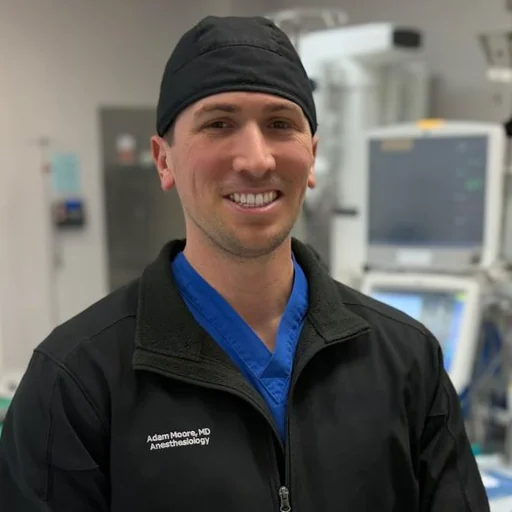
Practicing anesthesiologist with experience across MD-only, medical supervision of CRNAs, and medical direction of CAAs. Founded AnesthesiaJobs.com to help anesthesia professionals find the best job for their personal and professional life.
More about Adam →